SUMMARY: Competent analysis by the Schenectady Zoning Board of Appeals, including using traditional methods to determine the meaning of words and legislative intent, would readily have shown there is no reasonable uncertainty as to whether the Schenectady Zoning Code covers a “drive-in window” at a Downtown fast-food restaurant. Therefore, the property owner had no basis to appeal to ZBA seeking to operate a Starbucks Coffee Shop with a drive-in window in Downtown Schenectady, and ZBA had no authority to grant the drive-thru request. Doing so in effect amended the Schenectady Zoning Code.

It boils down to one question: Was the Zoning Officer correct under the existing Code when she concluded that a drive-in window at 1100 Erie Boulevard falls within the Code’s prohibition of “drive-in service facilities” in the C-4 Downtown District? If she was correct, ZBA must deny the request to permit the drive-in window. . . . . This posting is very long because there were so many things ZBA did incorrectly or simply did not do. You may, of course, stop reading at any point when you are convinced the Zoning Officer was correct and ZBA wrong.
. . site this post with this shorter link: tinyurl.com/NoDowntownDriveThru . .
 . . Incoming cars block the exiting cars at a drive-thru in St. Paul MN tha. It caused such bad traffic problems Starbucks replaced it with outdoor tables and chairs (see MinnPost)
September 29, was National Coffee Day. It was a fine day to sit down with friends at a coffee house. I decided instead to use Coffee Day to buckle down and finally write this posting about the Starbucks’ Drive-thru controversy brewing in Schenectady. I finished it today, October 1, 2025. My first task here is to clarify that:”
- The Opponents of the Drive-Thru-Starbucks at 1100 Erie Blvd. in Downtown Schenectady are not anti-coffee or even anti-Starbucks, although many do prefer the development of locally-owned businesses. See the Footnote 1 at the end of this posting for a brief explanation of why municipalities ban drive-thrus in their downtown districts; and, more importantly, that
- The Zoning Board of Appeals [“ZBA”] decision on May 14, 2025 granting the application by Electric Erie Development, LLC [“EED”] to build and operate a Downtown Starbucks with a drive-in window was not simply undesirable or unfair, it was “ultra vires”, beyond the authority of the Board. [For factual background, see Daniel Flynn’s Guest Column in the Gazette, “Bending rules for Starbucks would set bad precedent” (Sept. 17, 2025, p. 4, e-edition link.] As explained in this posting, I believe the ongoing court proceeding challenging the ZBA decision (click to read the Art. 78 Petition) should and will reverse the ZBA decision that permits a drive-in facility in Downtown Schenectady.
 Indeed, the EED-Starbucks decision by ZBA was clearly contrary to legal obligations and zoning law guidelines, as well as public interest and common sense. Why did it happen? The only reason I can come up with for the 6-1 vote (by otherwise intelligent people) granting the drive-thru request is the traditional ZBA habit of rubber-stamping the preferences of Schenectady Mayor Gary McCarthy and/or requests from Metroplex and certain favored developers. [For glaring examples, see my Sunday Gazette OpEd column on January 23, 2011, describing how they came to approve a bagel shop at the Gillette House entryway to the Stockade District; and ponder the inexplicable BZA pylon flipflop in October and November 2017.]
 . . . .
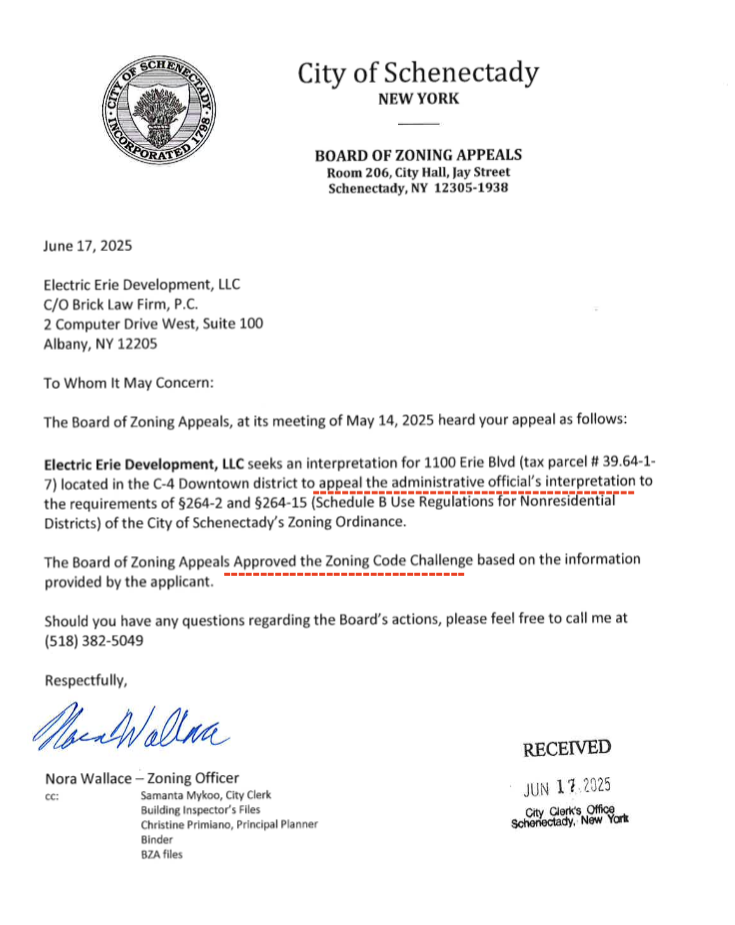
 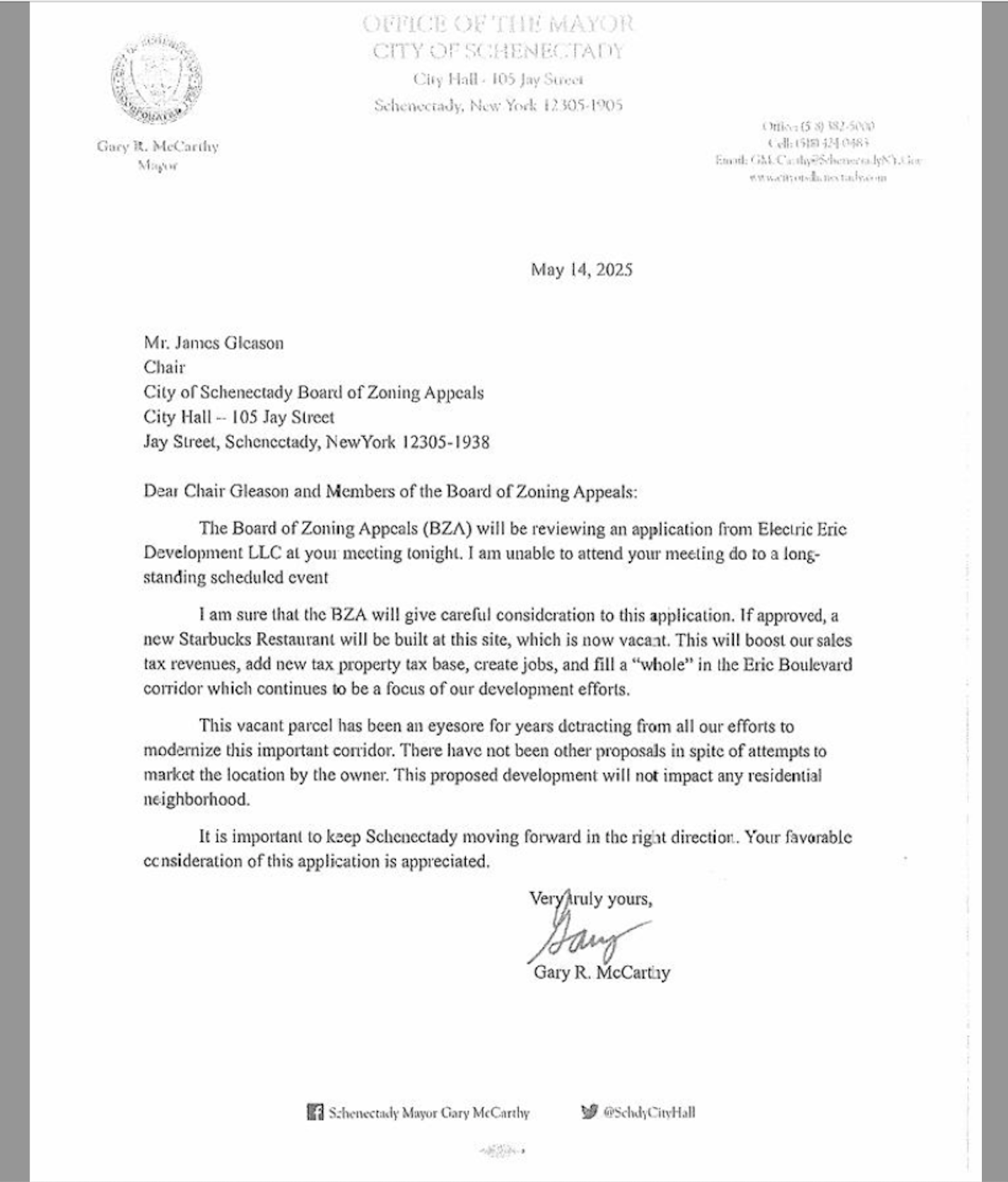 . . Click on its thumbnail image to the left to see Mayor McCarthy’s unusual and inappropriate letter to the Zoning Board of Appeals, dated May 14, 2025, the very day they were to decide on the EED request to build the Starbucks with drive-thru at 1100 Erie Boulevard. Filled with distractions and half-truths, and never mentioning traffic, safety, or a drive-thru, the letter ends saying “Your favorable consideration of this application is appreciated.”
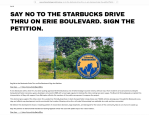 The public might not have seen or heard of the Letter if not for a FOIL request by a leader of the group that had petitioned to stop the drive-thru, Schenectady Residents for Responsible Development.
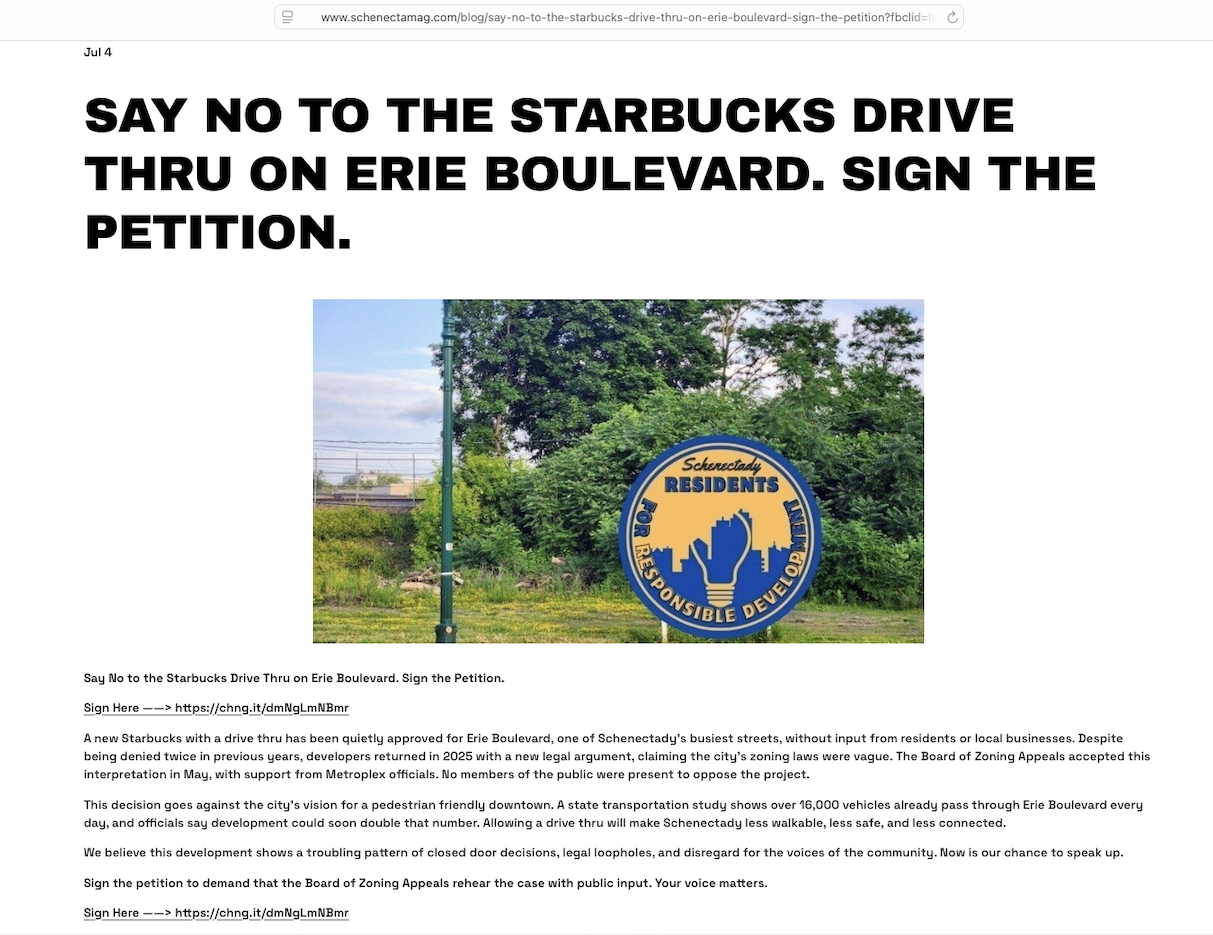
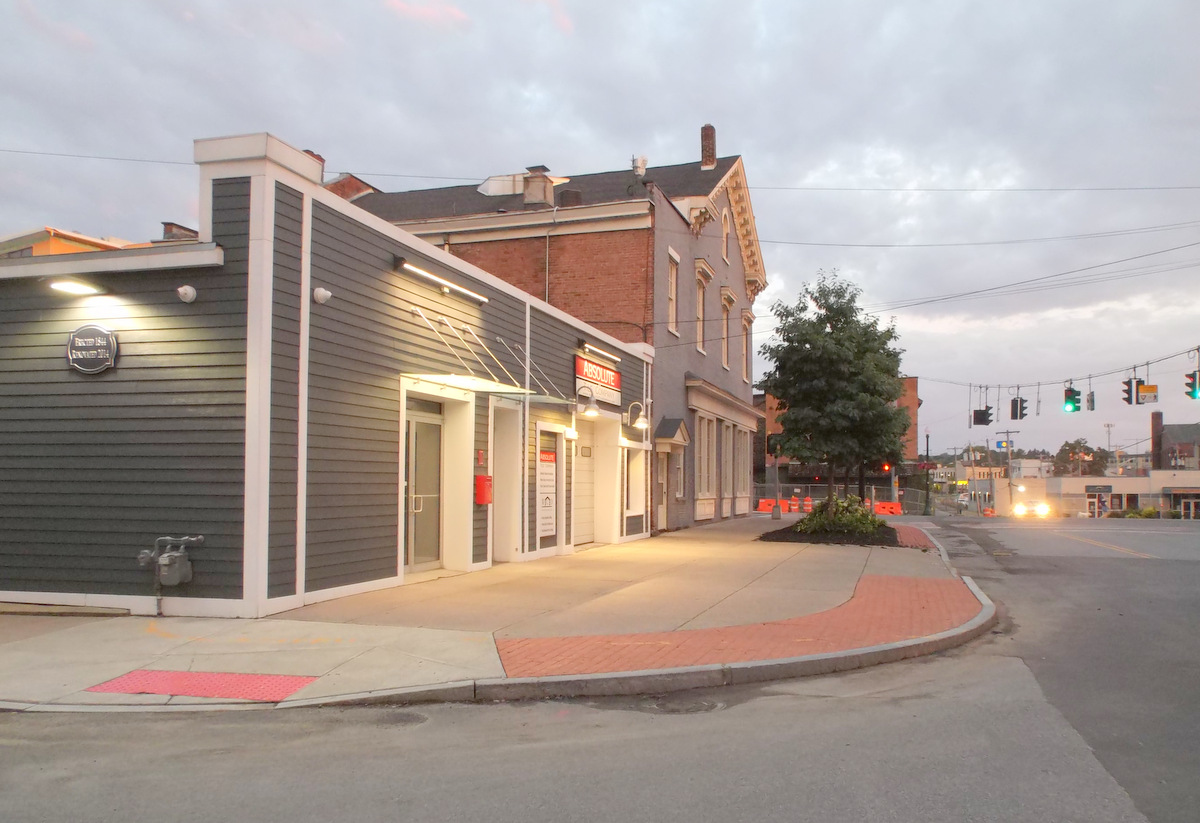
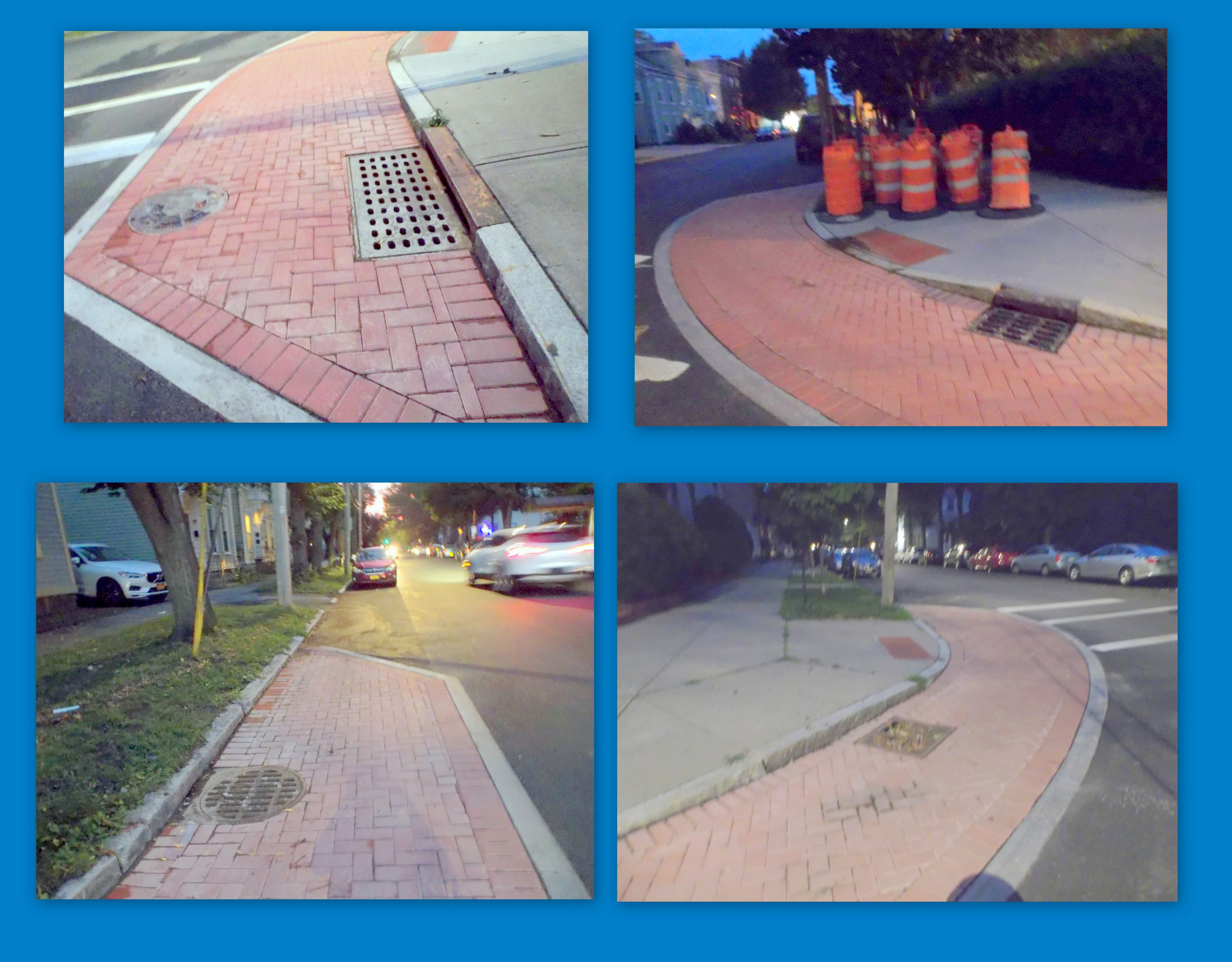
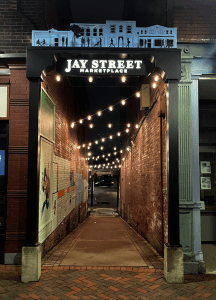
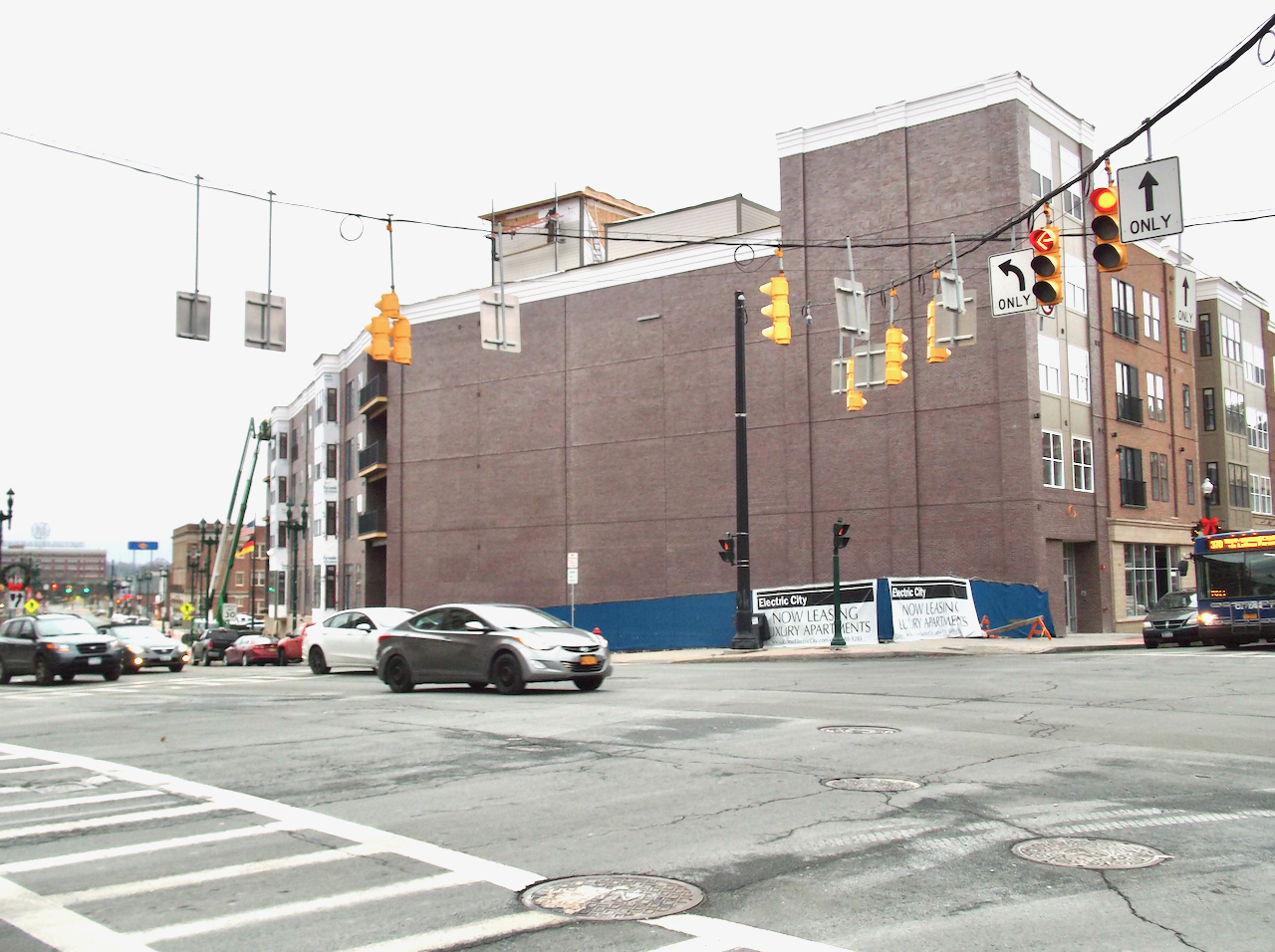
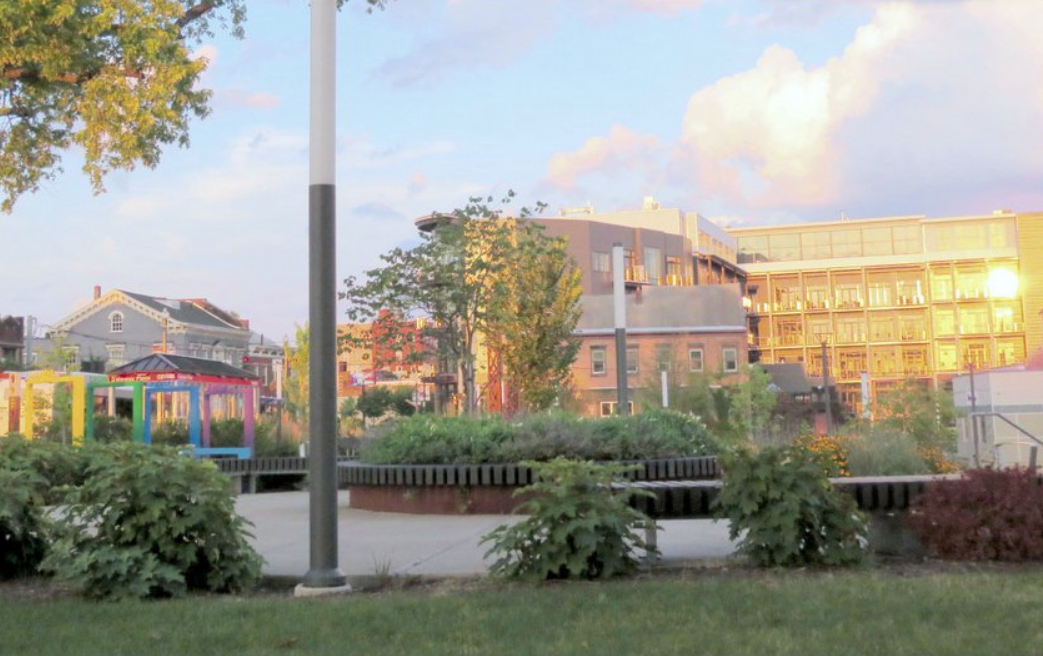
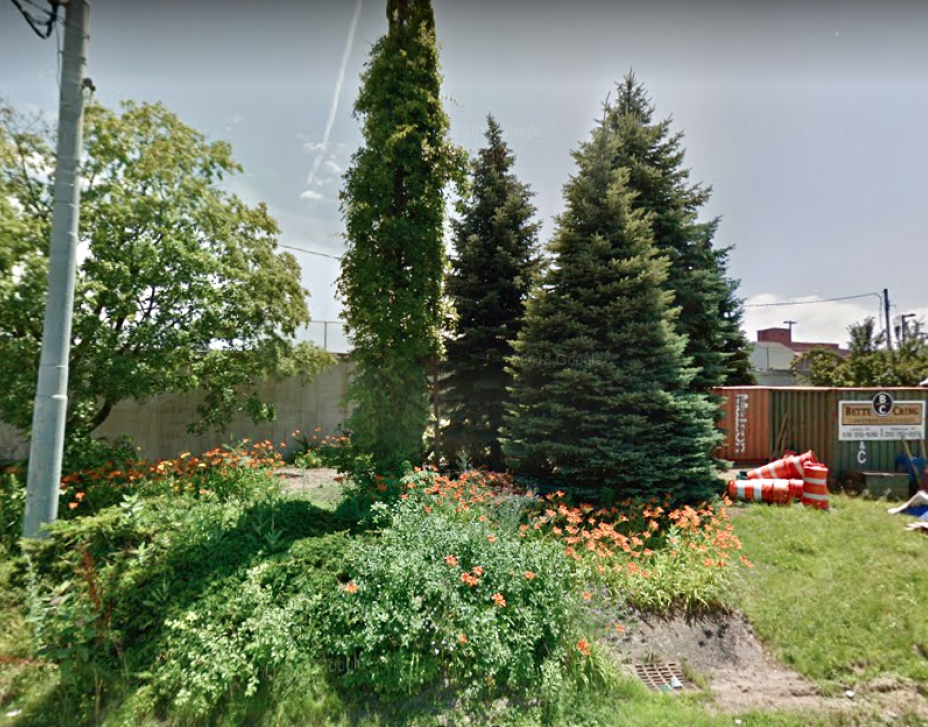
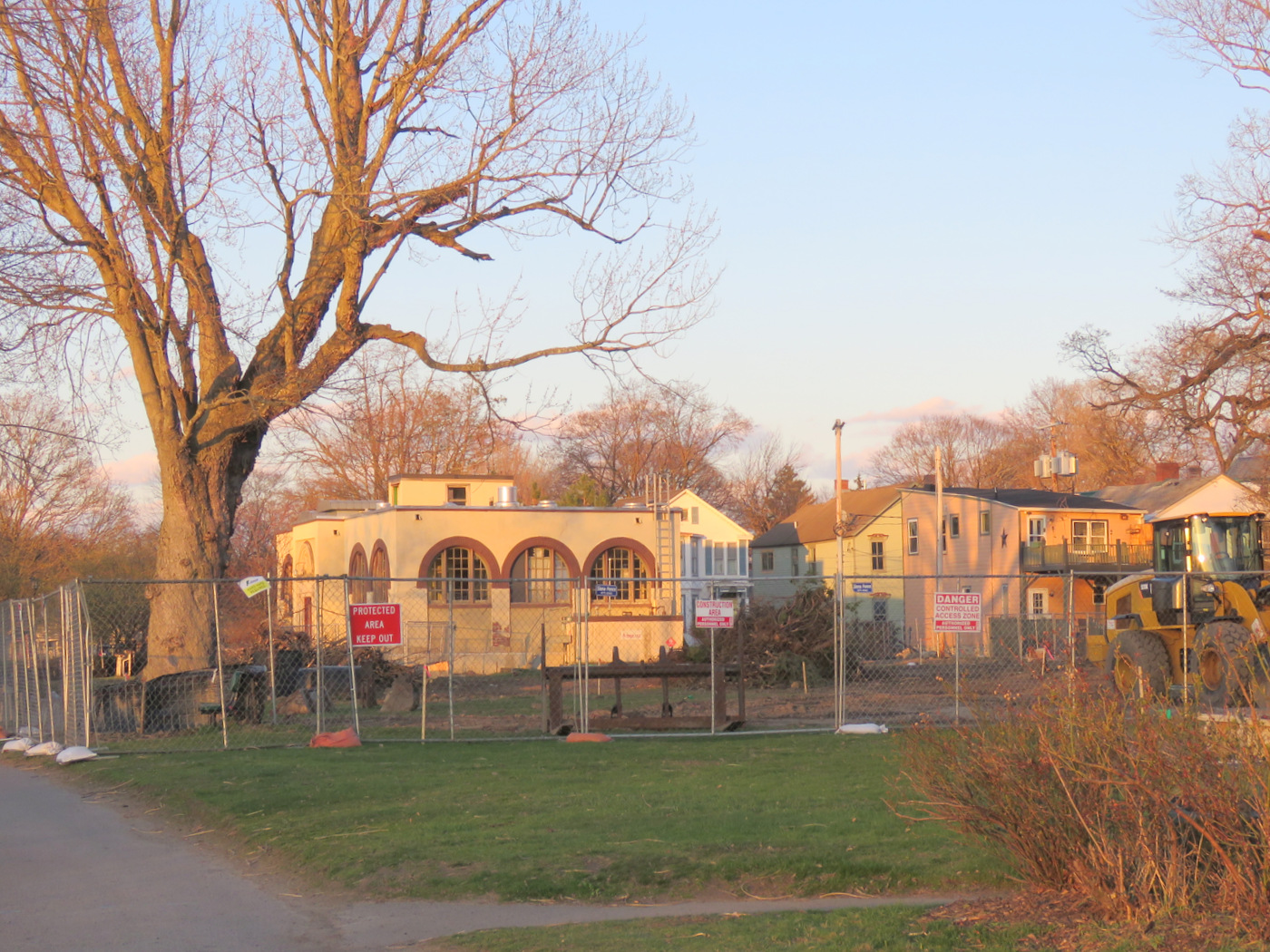
 In his zeal to justify his interference and force a yes vote, the Mayor calls the site, which has no building on it and has been owned by the Applicant since 2019, an “eyesore”. (The Metroplex representative at the Meeting incorrectly told ZBA the site is “blighted” and not really a Downtown location.) Click the thumbnail collage photo on the right, taken this Spring, to see the location of the unblighted site; and click to see a clear view of the entire lot shot by Stan Hudy, taken July 7, 2025 in the Gazette article “Starbucks seeks location on Schenectady’s Erie Boulevard, by Shenandoa Briere” (July 8, 2025).
Immediately below is a copy of the McCarthy BZA Letter, parts of which I jwas compelled to underscore, with points and questions that need to be raised about the Maypr’s arguments, while trying to ignore the unseemly pressure it put on ZBA members.
.
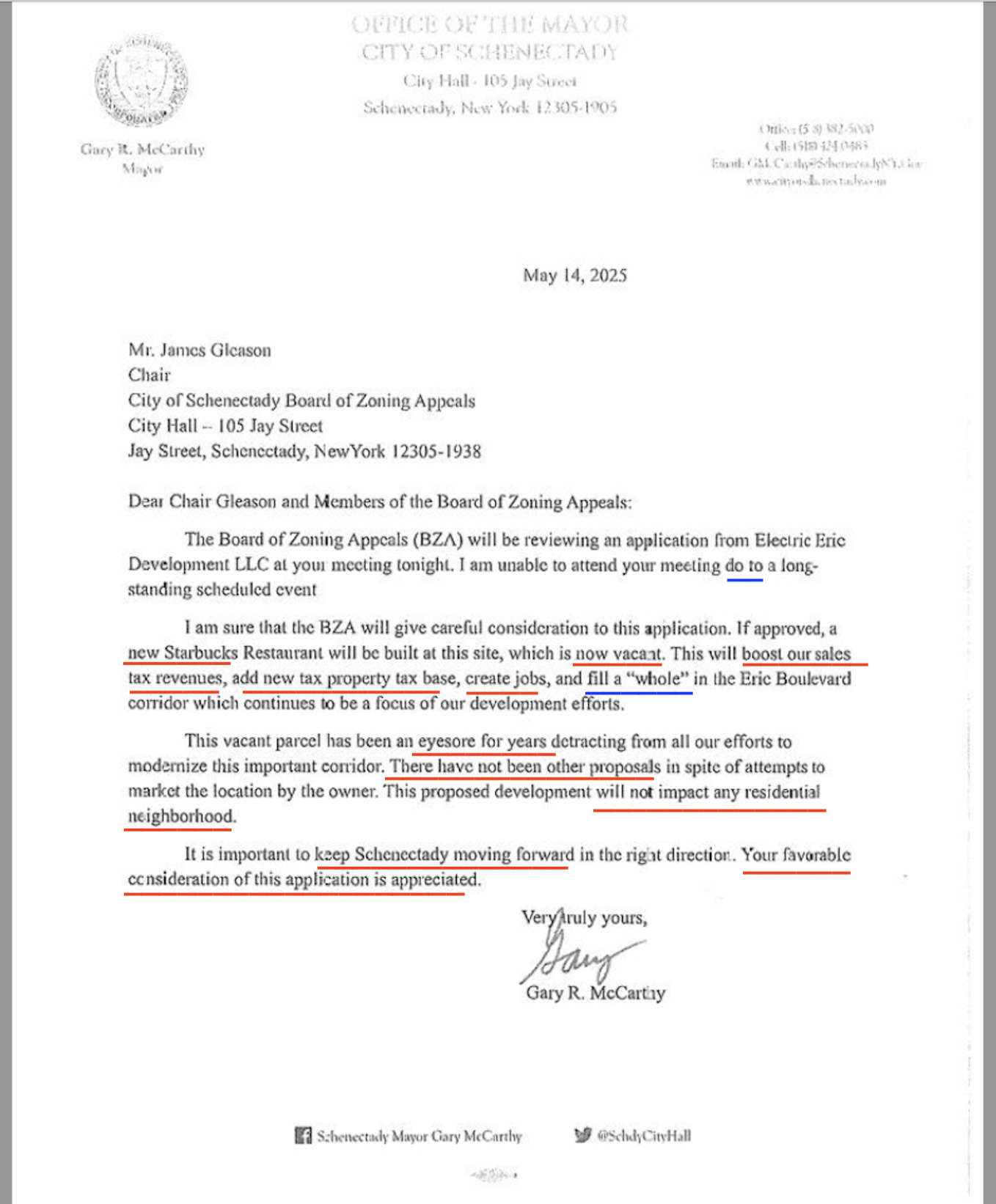
- EED purchased the lot from the City in 2019 for $75,000. Why didn’t the City instead turn the small lot into a pocket park to attract visitors?
- Starbucks or another business could have been there years ago if the owner did not insist on having a prohibited drive-in window
- Will there be a net increase in jobs & sales taxes if nearby shops lose business?
 The “eyesores” on the lot have been removed, so there is no rush to put a troublesome drive-thru there.
 - Is the only remaining green-space on Erie Boulevard really any eyesore when the grass is kept trimmed by the owner?
- Isn’t the Stockade residential neighborhood (a block away) negatively impacted if the Starbucks drive-in window brings more traffic through its busy narrow streets and more traffic jams to its only two exits onto Erie Blvd.?
 . . .ZBA’s WORLD OF “SNOWMEN” & RUBBER STAMPS. When ZBA members receive a request from the Mayor, or otherwise learn his desired outcome, they are surely aware that when they do not silently rubber-stamp his wishes, the Mayor has failed to re-appoint board and commission members, or has demoted the board chairperson. Mr. McCarthy seems to want only board members who are no more effective as watchdogs or sentinels than the legendary Snowmen at the Gates were the night of the Massacre in 1690, when the Schenectady Stockade burned down and residents were slain and kidnapped by maurading French and Indians.
BACKGROUND
2021 & 2023. Schenectady Zoning Officer Nora Wallace correctly denied a building permit for a Starbucks with drive thru in 2021 and 2023, calling the proposed use a “drive-in Establishment”, which is defined in the our Code. With no apparent interest in this small project by Mayor McCarthy, the Board on appeal correctly applied the law in denying EED’s requests for a Use Variance to operate the otherwise prohibited drive-through. At the heart of each rejection was the fact that the Applicant bought the land knowing the Zoning Code prohibited drive-thrus at that location, making their problem “self-created”. They also failed to show they could not make a reasonable return with a use that is permissible.
- Q&A. What does a zoning board applicant, or a party in litigation, do when neither the law, the facts, nor the equities, are on their side? They look for powerful helpers to push through their request.
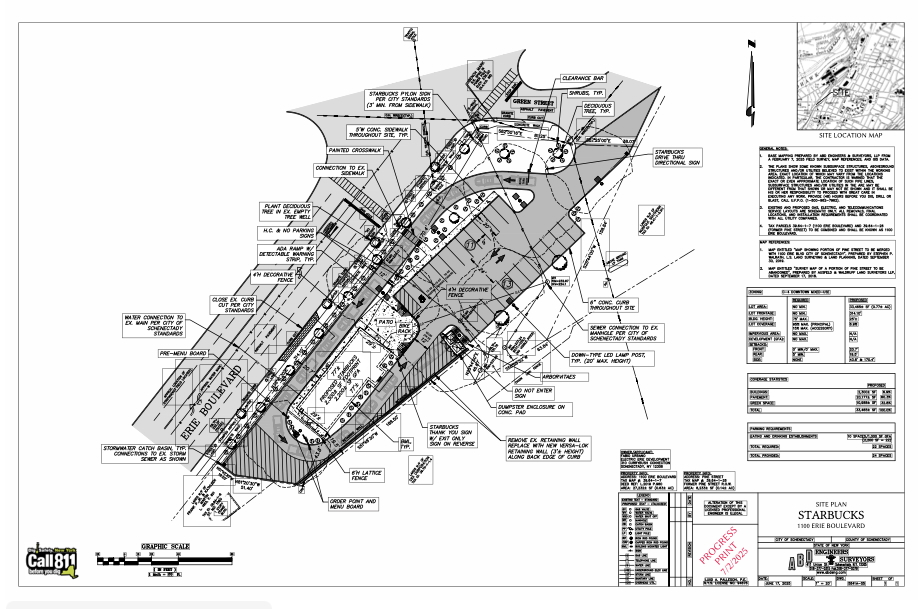 . . thumbnail of the Starbucks Site Plan
2025. In 2025, Zoning Officer Wallace was again asked for a permit by EED, but she again refused, calling the project both a Fast Food Restaurant and a banned Drive-in Establishment. Neverless, somehow acquiring powerful friends, EED and their lawyer Andrew Brick came up with the less-than-specious ruse of asking ZBA to “interpret” the Code, calling it too unclear to permit the Zoning Officer to reject the drive-through. Mr Brick says their project should be considered a Fast Food Restaurant with an ancillary drive-through rather than as a banned “drive-in service facility” or the defined “drive-in establishment.”
UNCERTAINTY & UNCLEAR DEFINITIONS?
Our local NPR station, WAMC, recently reported that “Schenectady planning board approves site plan for controversial Starbucks project” (Sept. 18, 2025). Unfortunately, the only legal opinion in the WAMC piece is that of Andrew Brick, EED’s lawyer. Mr. Brick contends that “unclear definitions in the zoning code” support his bringing this matter once more to the Zoning Board of Appeals, and claims he will win in court because his argument is “supported by the underlying zoning jurisprudence involved.” I strongly disagree.
- Jurisprudence does favor the owner when a zoning provision really is vague or uncertain, but that is not the case here. Keep reading to see why.
Lawyer Brick, despite decades working in the zoning law field, declared that the Code drafters had to be more specific if they wanted to ban drive-in windows. For Mr. Brick, the broad and inclusive term “drive-in service facilities” is not certain enough to ban restaurant drive-up windows. He somehow convinced the Board, and now wants the court and the public to believe, that the drafters of our Zoning Code did not intend to include, or were not specific enough to encompass, drive-in windows, the archetype of a drive-in facility, and the very problem that spotlighted the need to prohibit “drive-in service facilities” in various districts with significant vehicular and pedestrian traffic.
. . Here’s how the relevant words are treated in our Zoning Code:
 . . Click on this thumbnail to see the annotated Zoning Code Schedule B, which states that “drive-in service facilities” are “NP”, Not Permitted, in the C-4 Downtown Mixed Use District and three other districts.
In addition, the Zoning Code definitions in § 264-2(B) include:
DRIVE-IN ESTABLISHMENT . An establishment which, by design of physical facilities or by service or packaging procedures, encourages or permits customers in vehicles to receive a service or obtain a product.
. . from Merriam-Webster Dictionary online: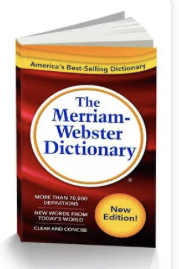
drive in: an establishment (such as a theater or restaurnat) so laid out that patrons can be accommodated while remaining in their automobiles
facility: something (such as a hospital) that is built, installed, or established to serve a particular purpose.
establishment: a place of business or residence with its furnishings and staff
- See the Footnote 2 below for the recent Mamakating Zoning Board case from the Third Appellate Division of the NYS Courts, which sits over our County Supreme Court. It involved two terms not defined in the town’s zoning code, “neighborhood place of worship” and “mikvah”. The case was easily dealt with using a dictionary to discern the meaning of each word. Because the meaning of mikvah “comports with” the dictionary meaning of “neighborhood place of worship”, it “constitutes the same for purposes of the Town’s zoning law”.
Nonetheless, apparently having no dictionary and no common sense, our ZBA bought EED’s “uncertainty” brainfog, without ever actually saying which terms/words they were interpreting or why they saw uncertainty. They acted as if having different words or terminology itself creates unresolvable uncertainty, and that doing actual analysis was irrelevant in making their Interpretation. Rather than doing their job in an Interpretation, which is focusing on the meaning of the words and intent of the drafters, their lack of asking questions about meaning and intent suggests they believe there has to be uncertainty if there are different terms used. Or, they have to do what the Mayor wants.
 However, as the article “The Interpretation of a Zoning Ordinance” explains in The Local Government Law Review, (by Dennis M . Galvin, July 2014; emphasis added):
“When a requestor calls upon a board to interpret a zoning ordinance, that board, like a court, must follow the general rules of statutory construction in determining the meaning or intent of the ordinance. . . .
. . . “When an ordinance is unclear or contains language or terms that are ambiguous, then the board must attempt to discern the intent of the drafter. In other words, the board must give the language of the ordinance a reading, consonant with the logical goal of the legislative body that enacted the law. . .
[and] . . “When [an interpretation is requested], it’s incumbent upon the board’s attorney to be prepared to advise the board on the principles of statutory construction. The attorney needs to caution board members not to usurp the authority of the governing body, and [to stay] focused on the interpretation of the ordinance language and away from considering a specific project or property.”
Similarly, a Wisconsin land use training manual, “Administrative Appeals – Ordinance Ambiguity and Intent” begins with the words: “Ordinance interpretation has been described as a two-step process. First, the zoning board determines whether the ordinance language is ambiguous. If it is ambiguous, then the board applies” well-known rules of statutoty interpretation.
Here, ZBA never stopped to ask how to figure out if there were ambiguity, or if the terms were conflicting, or were merely different.
Relevant to our case, the training manual also advises looking at the following factors:
-
Context – Determine whether general provisions that apply throughout the ordinance or those located nearby modify the ambiguous language. [see the Footnote 3 below]
-
Plain meaning rule – If a word is defined in the ordinance, use that meaning. If a word is not defined in the ordinance, use the plain, dictionary meaning of the word.
-
No surplus language – Ordinances must be interpreted to give effect to every provision. Interpretations that render part of an ordinance meaningless must be avoided whenever possible.
-
Value of testimony – The potential interests and motives of those presenting testimony in an appeal should be examined to establish the relative merit of their testimony.
 . . If ZBA and the Mayor could look at those factors and still think the meaning of the Code is uncertain they should have delved into the valuable guidance in the monograph “ZONING BOARD OF APPEALS” [“DOS-ZBA”], published by the NYS Department of State Local Government Section (2005; reprinted 2024). It is readily available online, and can even be found at the City’s Schenectady Document Center. The guidelines in DOS-ZBA put it succintly: “In its simplest terms, an appeal seeking an interpretation is an appeal to the board of appeals claiming that the decision of the enforcement official was incorrect“. In making its decision, ZBA must remember that “the board of appeals may not itself impose zoning. This is the function of the local legislative body when it adopts or amends the zoning law.”
Note: From the May 14, 2025 Minutes, we see that Mr. Brick emphasized he was not blaming the Zoning Officer and the problem was with the Code itself. That should have stopped the procedure in its tracks. ZBA has no power to correct, amend or effectively repeal a provision in the zoning law. The Board needs to determine whether the action of the Zoning Officer action is consistent with the existing provision and the intent of City Council, not whether the Code itself is somehow in error. If the action of the Zoning Officer is consistent with the Code, the request must be denied, even where the Applicant can’t meet the requirements for a Use Variance. If ZBA thinks an amendent would be useful, it has the authority to advise City Council of beneficial changes.
Because our Office of Corporation Counsel never contradicts the Mayor or weakens his posture in public, ZBA had no instructions on the standards for determining Legislative Intent, and in fact never mentions Legislative Intent. It never even inadvertantly asked questions that might uncover City Council’s intent. ZBA members also acted as if they have had no mentoring about not crossing into the legislative role and were not aware they were effectively amending the Code.
- A zoning board is allowed, of course, to adjust the code in a Use Variance situation, but very strict rules must be followed under State [GCT § 81-b(3b)] and local law [§ 264-119], and their decision applies only to the one applicant. To get the same treatment, other situations must meet the same rigorous requirements, and will fail if the property were purchased by the Applicant after passage of the 2008 zoning amendments. [See DOS-BZA, above, at 11] On the other hand, a ZBA Interpretation must be treated as authoritative precedent unless it is reversed in court or the Code is amended by a municipality’s legislative body. The Board must, therefore, be wary of creating unintended consequences inconsistent with legislative intent of the provisions under review or the comprehensive plan when giving an Interpretation.
Contrary to the above advice and standards, in approving the Starbucks drive-thru, ZBA not only ignored Legislative Intent, but also
- never asked whether there is actual uncertainty as to whether drive-in windows are banned in District C-4. The Board never pointed out that the unrestrictive terminology “drive-in service facilities” must certainly include the original, archetypical drive-thru facility, a drive-up window.
- In addition, neither ZBA nor EED explained why the Zoning Officer’s use of the defined, all-inclusive phrase “Drive-in establishment” would create uncertainty when there is no reason to believe the plain, dictionary meaning of that phrase and the phrases “drive-in service facility” or “drive-in window” conflict with each other or cause confusion.
- Also, cognate provisions — terms similar to the words and purpose of “drive-in services facilities” that are used by other municipalities (in New York and other States) — demonstrate that using “drive-in service facilities” in the Schenectady Code without defining it created no uncertainty due to any specialty or obscure meanings of the terms. Frankly, the everyday meaning of those words should be well understood, even by Board members and zoning lawyers, without having to open a dictionary. Footnote 3 below has examples of several definitions relating to “drive-in” facilities in other zoning codes that show how the Planning and Zoning Community understands and interchangeably uses those words. For example, the Village of Williamsville NY and the Town of Orchard Park NY each specifically define “drive-in service facility” with these words:
-
Town of Orchard Park, NY § 144-5 Terms Defined (B) DRIVE-IN SERVICE FACILITY. An establishment which includes provision for a customer to conduct business or secure goods while remaining within a motor vehicle. Also commonly referred to as a “drive-through” or “drive-thru,” such uses include, but are not limited to, windows or similar features that allow customers to order and /or pick up goods, such as food, beverages, and prescription drugs, conduct banking services or operate automatic teller machines while remaining within a motor vehicle.
-
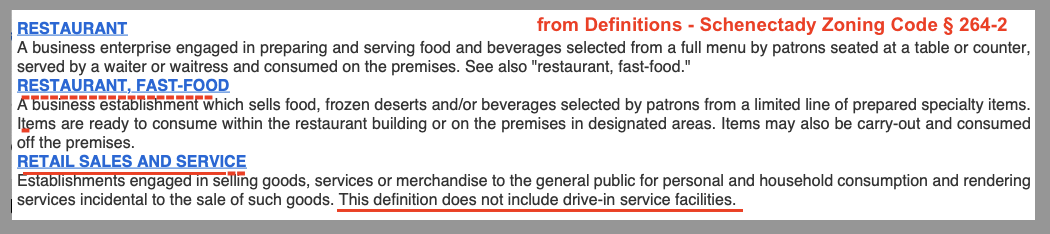
 never looked at our other Schenectady Code provisions concerning drive-thrus, to help determine the overall intention of City Council. Such as, the broad definition of DRIVE-IN ESTABLISHMENT (which includes “facilities [that] . . . encourage or permit customers in vehicles to receive a service or obtain a product.”); or, the failure to mention drive-thrus in the Code’s definition of restauants and fast-food restaurants; nor, the explicit statement that the definition of Retail Sales and Services “does not include drive-in service facilities.” [see the thumbnail at the beginning of this sentence]
- never mentioned plain meaning or dictionary meaning of the relevant words, which clearly belie the claim of uncertainty.
- never worried about subverting the will of City Council and the public interest in safety or good traffic flow by making sections of the Code surperfluous.
- never questioned the misguided emphasis of Mr. Brick on his team “going through the entire 2025 Assessment roll and not in one instance [finding] something classified as a “drive-in establishment”. The Real-estate Assessment roll classifies a property for the purpose of collecting taxes, not to denote their status under the Zoning Code. The assessment office might include a drive-thru in a list of improvements to the property adding to the value of a property, but not as a classification. The Zoning Officer, however, has the job of classifying uses that are are not permitted, and labels fast food restaurants with drive-thrus as “Drive-in establishments” when they are located in one of the City districts where such facilities are not permitted.
- never took the advice of Commissioner Keller that no action is permitted on the Application, given the statute of limitations on EED’s 2023 case and the prior decisions of ZBA, which implicitly endorsed the Zoning Officer refusing to allow drive-thrus at 1l00 Erie Blvd. Please see Footnotes 4 & 5 on those issues, each of which is sufficient to prevent granting EED the requested approval.
- never asked what the consistent practice since 2008 not allowing drive-thrus in C-4 and three other districts tells us about Legislative Intent, especially when the Council has undertaken no amendment to correct that practice, which Mr. Brick claims is in error.
Conclusion. The Minutes of the May 14th ZBA meeting show an unfocused, rambling session. Adequate focus and competent analysis, including using traditional methods to determine legislative intent, would readily have shown there was and is no reasonable uncertainty as to whether the Schenectady Zoning Code covers a “drive-in window”, and therefore no basis for EED to appeal to ZBA, and no authority for ZBA to grant the drive-thru request.
.
PROCEEDINGS AFTER THE ZBA DECISION
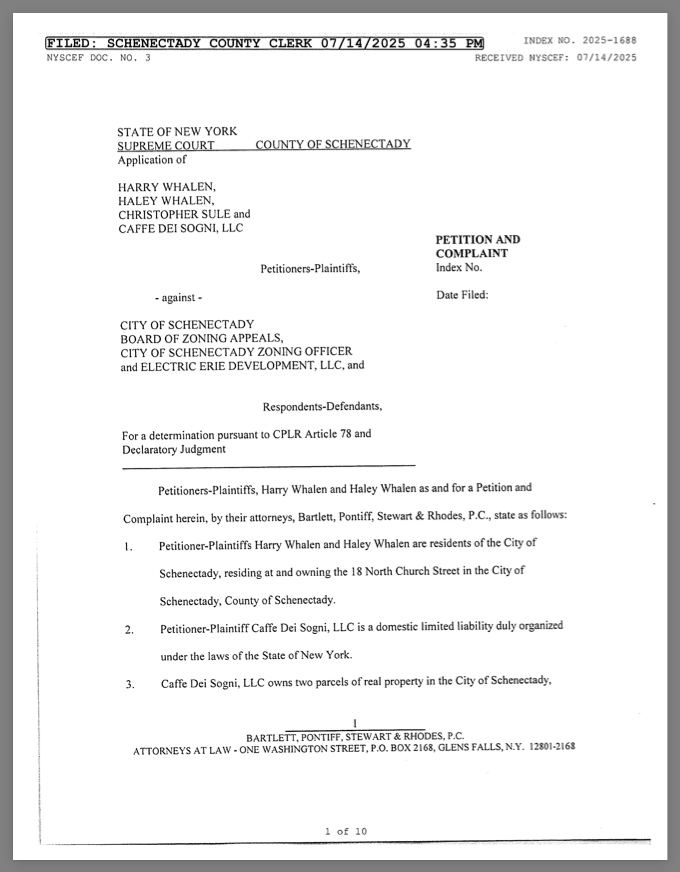 . . Whalen v. Schdy BZA cover page
HARMFUL PRECEDENT. If the Article 78 proceeding that has been filed challenging the ZBA decision (see image above, and click here for the Art. 78 Petition) does not result in its reversal, we will surely see more drive-thrus along our most crowded streets, making them less Pedestrian Friendly and harming traffic flow, safety and quality of life. If the ZBA order stands, City Council would have to act quickly to clarify its ban on drive-thru windows and all other such drive-in facilities to achieve its goals.
SITE PLAN APPROVAL. In addition, concluding that it had no power to refuse the drive-thru after the BZA decision, the Planning Commission approved the Site Plan and issued the Special Use Permit requested by EED, with the drive-thru allowed as an ancillary use. (click for the Minutes of the Sept. 17, 2025 Meeting, at 4) In prior Comments to the Commission for its Site Plan review, I noted that ZBA had taken no facts on the Ancillary Use issue, and that news sources have consistently stated that Starbucks locations with drive-thrus get 70% of their income from the drive-thru. Therefore, I argued (unsuccessfully) that, given the definition of an Ancillary Use in the Schenectady Zoning Code as “subordinate” to the primary use, the Applicant must demonstrate and the Commission conclude that the so-called ancillary drive-in window would not in fact be the primary source of business at the Starbucks. Without taking such evidence, I argued, the Commission could not fulfill its obligation to assure conformance of the Site Plan with “all other applicable provisions of this chapter” and with “Conformance of the site design with “the purposes and intent of [the Zoning Code].” [§264-89]
- Because each member of City Council has the right to challenge ZBA decisions and to appeal a determination of the Zoning Officer or Planning Commission (see General City Law § 81-a(4) and § 81-C(1)), I urge one or more members of City Council to seek permission as soon as possible to submit a Friend of the Court brief in the Art. 78 proceeding (Whalen v. Schdy ZBA); and to apply immediately to ZBA claiming that the Planning Commission was in error granting EED the Special Use Permit (within 30 days of the September 17, 2025 Commission Meeting), or to apply to ZBA to challenge any building permit granted by the Zoning Officer to EED, within 30 days of it being granted. ZBA will surely deny the application but that could be challenged in an Art. 78 proceeding in Supreme Court.
EED said last week that it is moving full-speed ahead to build its Starbucks store. That is worrisome. In my additional Comments on September 17, I also unsuccessfully urged the Commission to state in its Site Plan approval that any resultant Building Permit could be revoked as to the drive-thru portion of any construction, if the Art. 78 court reverses the ZBA decision. The Commission Chair said they had no comment to make about any court case.
I fear EED and the Mayor may argue that even a reversal of the ZBA decision should not undo the Building Permit because of good faith action under its permit constructing the Starbucks. To the contrary, because it knows the Art. 78 court may very well reverse the BZA decision, for all the reasons stated in this posting and the Petitioners’ pleadings in the Art. 78 case, EED must take into account the potential reversal of the ZBA decision. To me, the equities would not be in EED’s favor on the question of undoing the drive-thru portion of any permit it was granted, if the ZBA decision were reversed, given its knowledge as a party to the pending Art 78 decision of the risk it was taking. Any injury to EED must be balanced against the potential injury to values being protected by the drive-in ban.
- Temporary Restraining Order. I hope that, as soon as as posssible, the Art. 78 Petitioners in Whalen v. Schdy ZBA seek and the Court grant a temporary restraining order on any work at the site regarding the drive-in window facilities. Naturally, the more the court believes it is likely to rule in favor of the Petitioners on the merits of the case, the more likely it would be to grant a temporary injunction of work on the Starbucks drive-in facility.
POSTNOTE: Letter to the Editor, Daily Gazette, (Oct. 9, 2025, p. 4), by David Giacalone (note: the link mentioned is to this posting):

FOOTNOTES















 . .
. . 

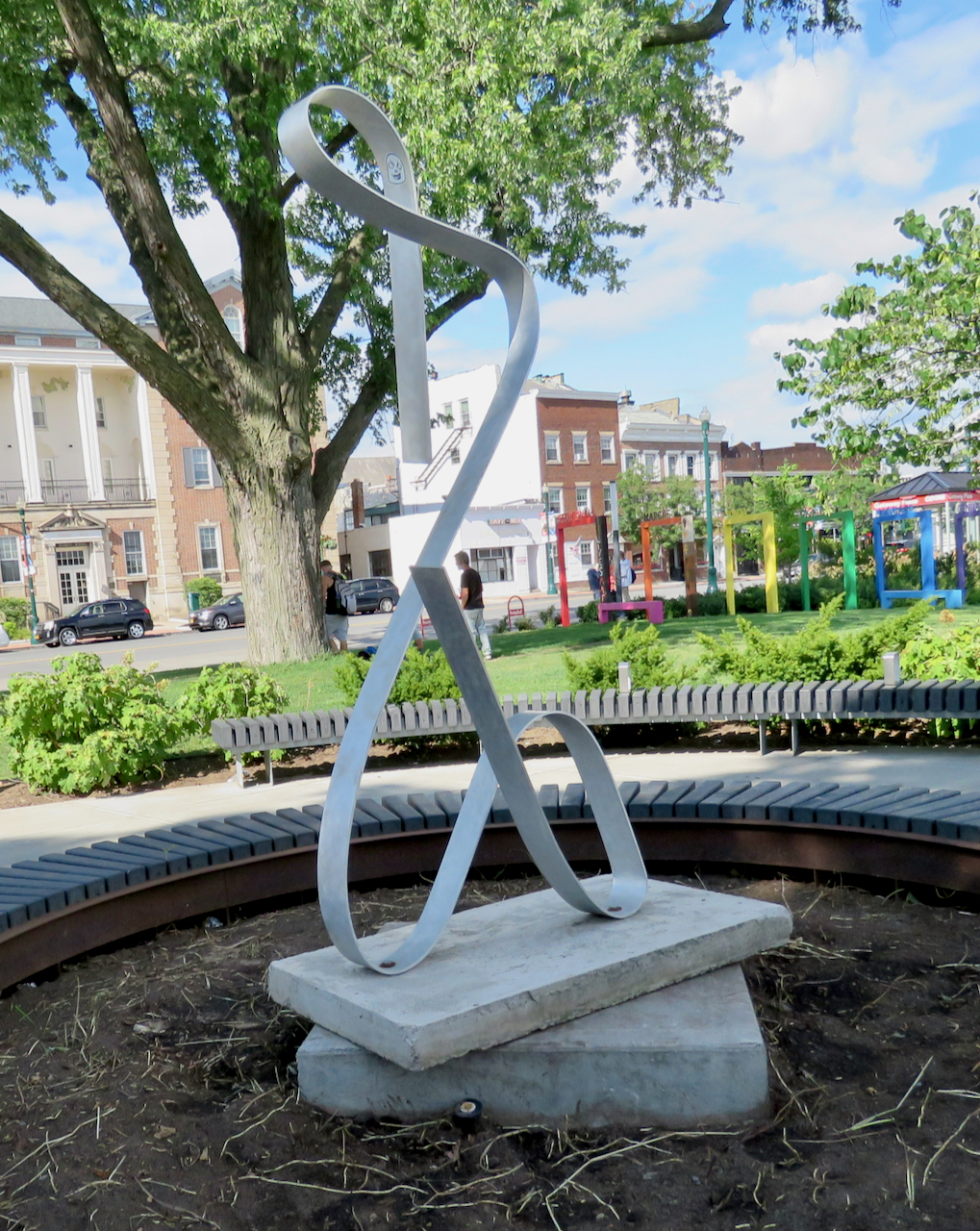


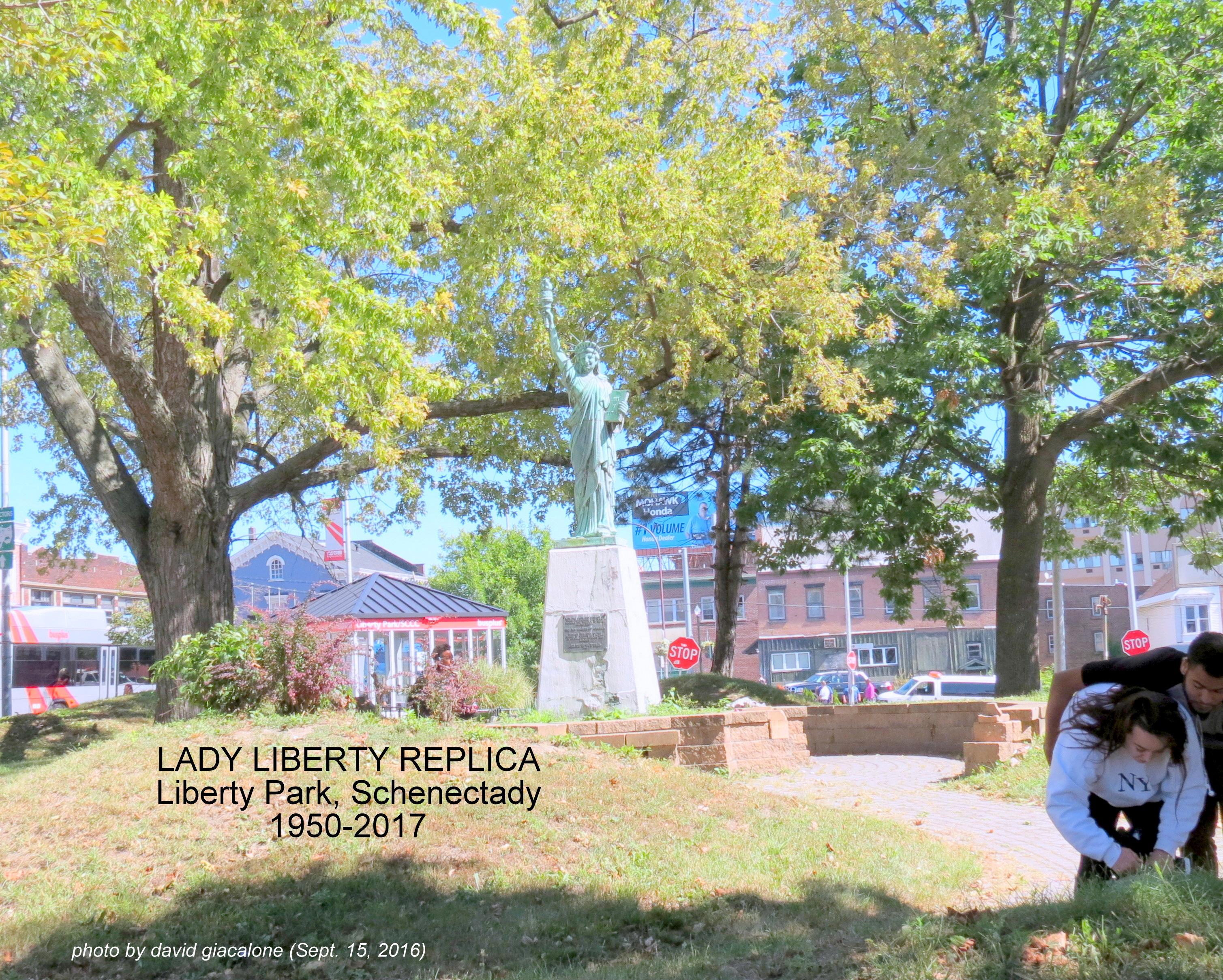


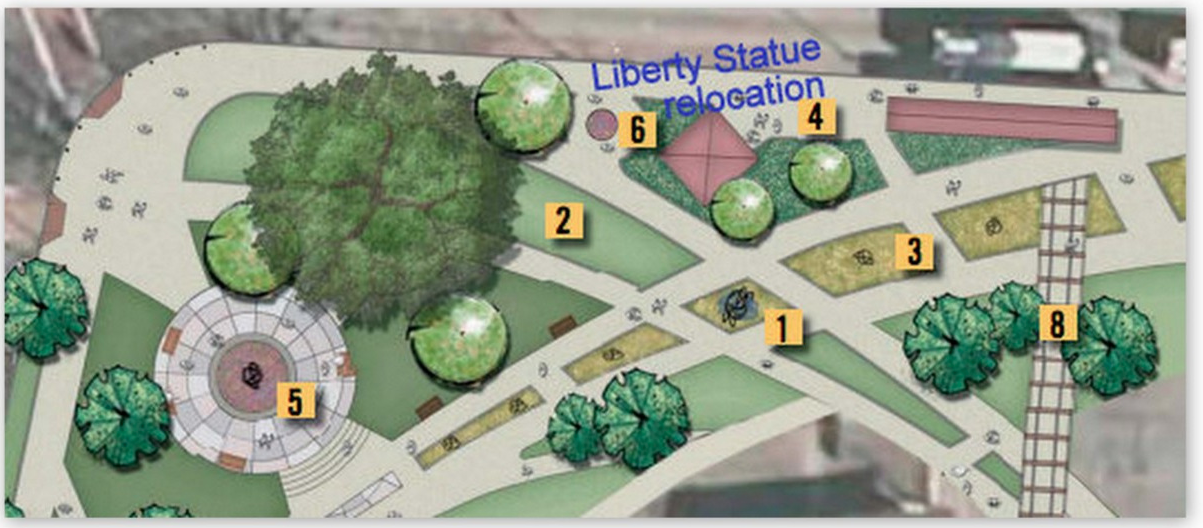


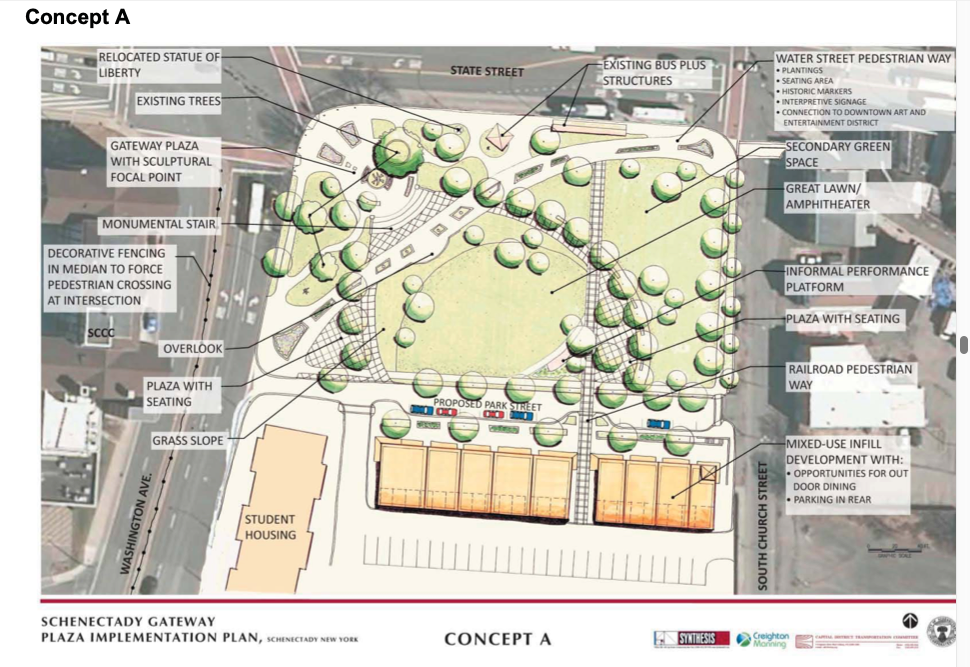


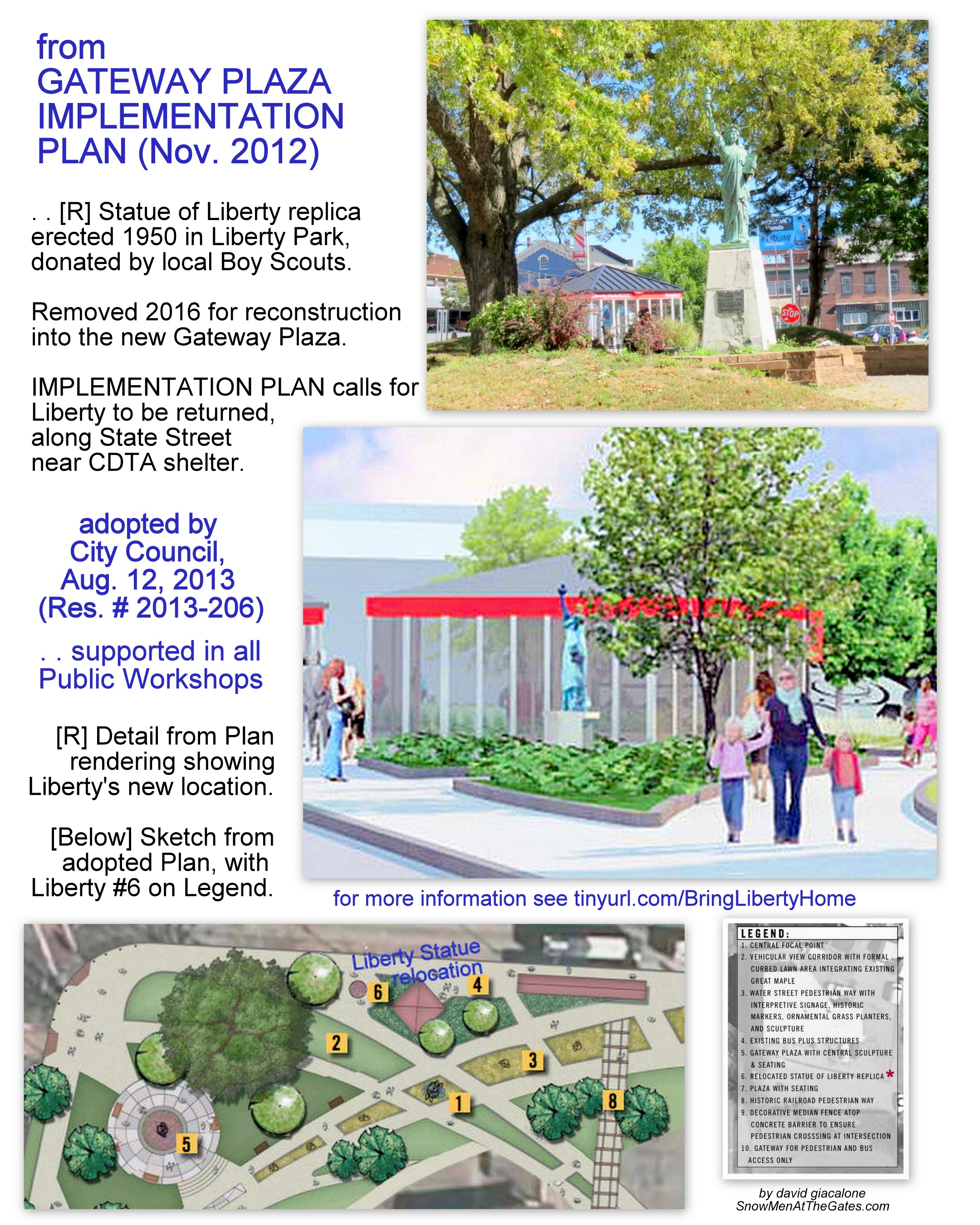
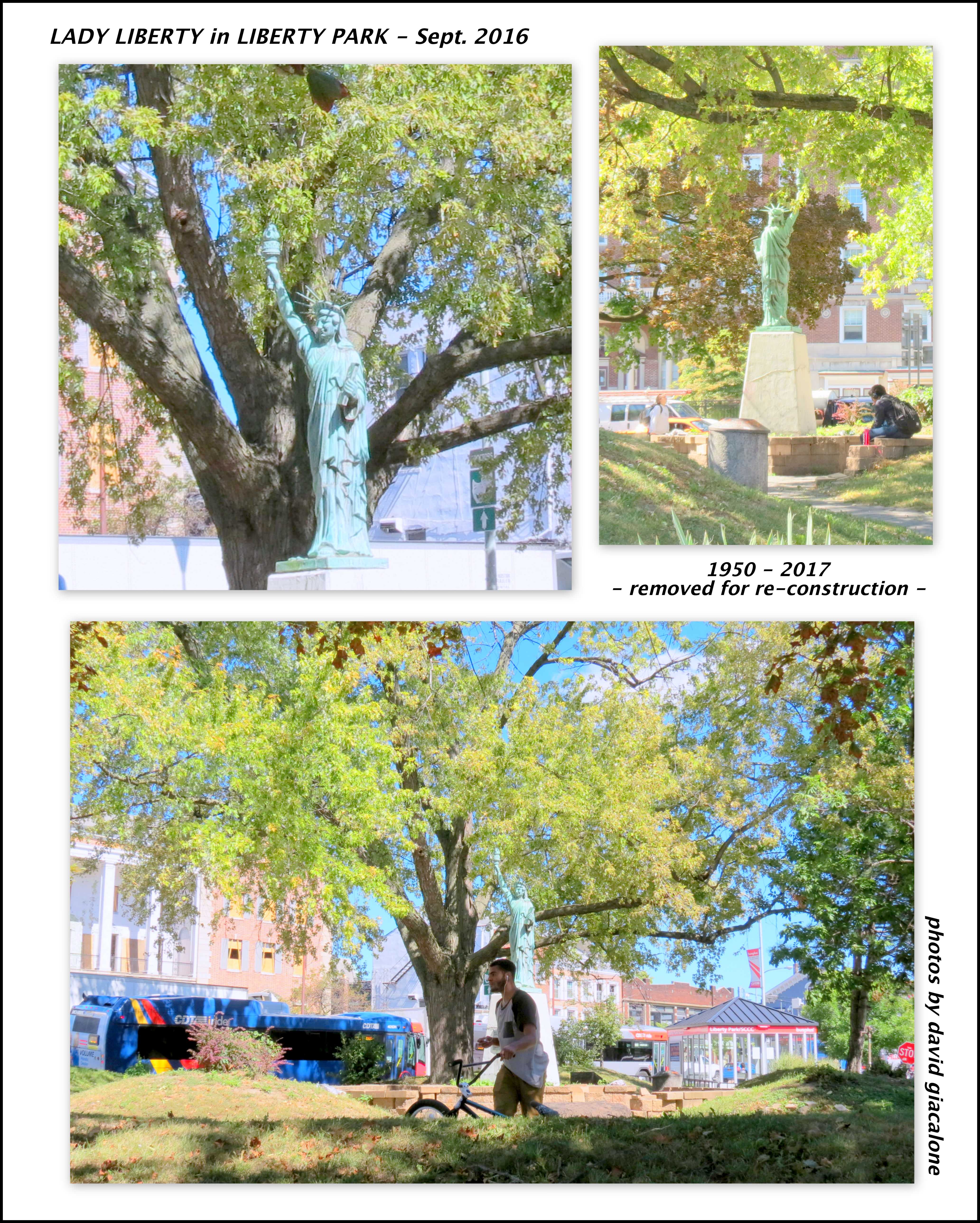
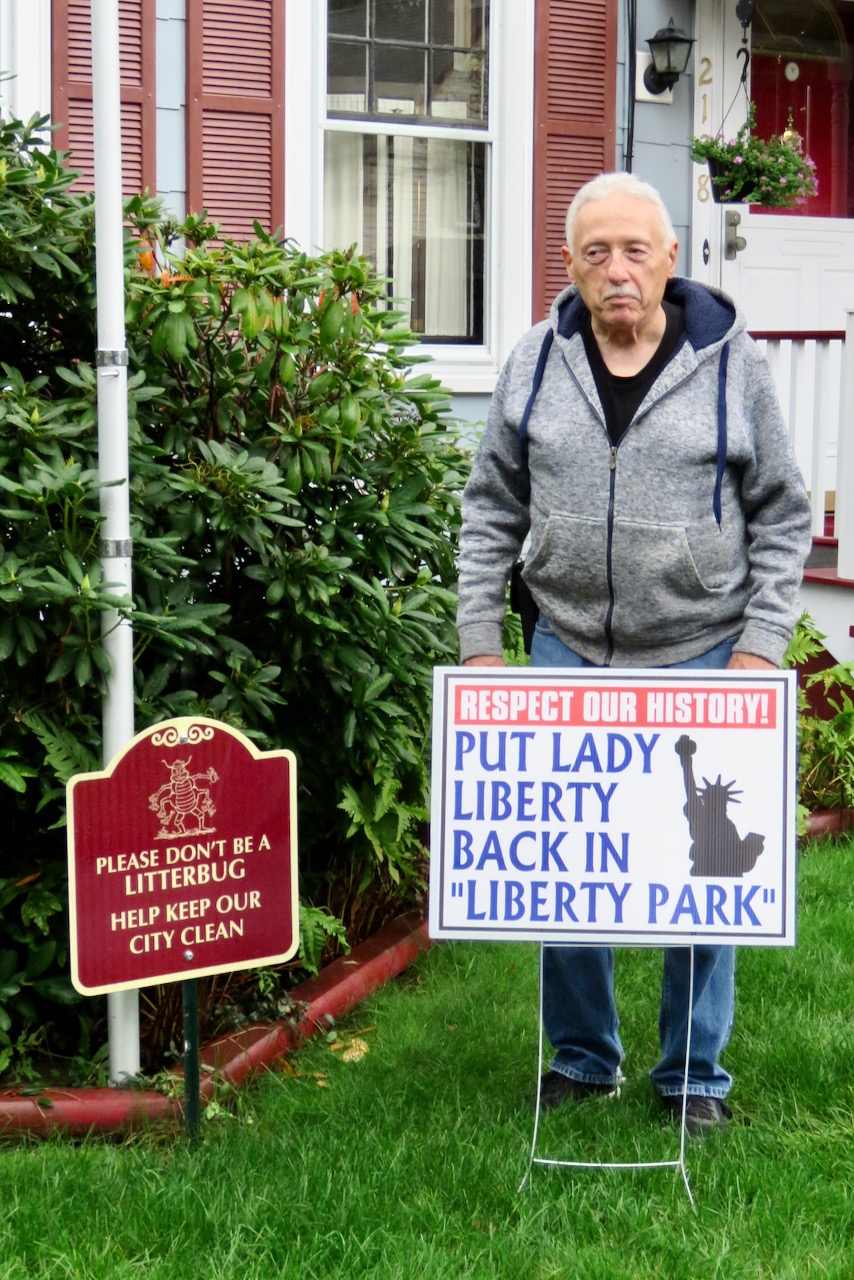
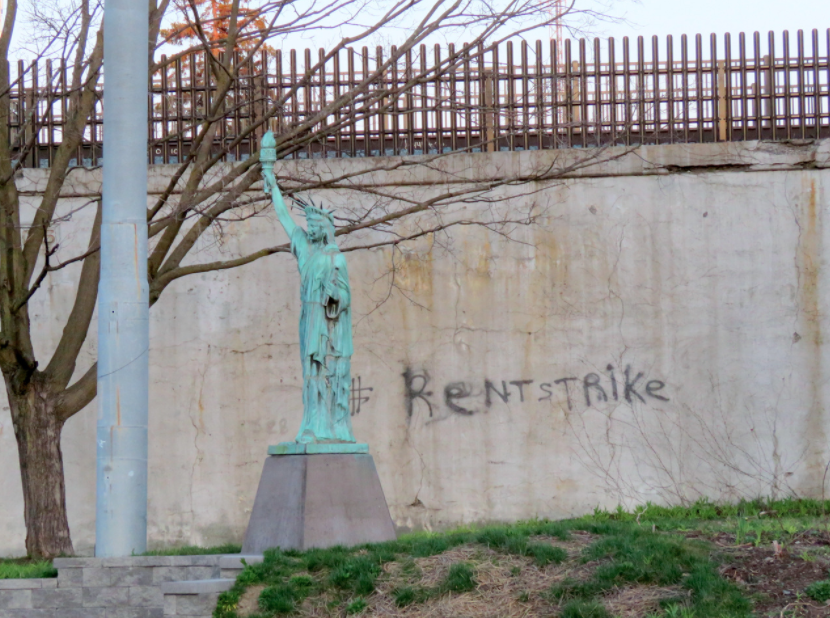
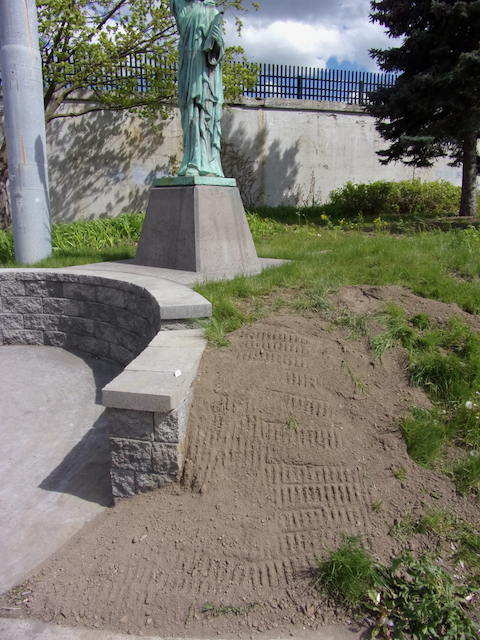
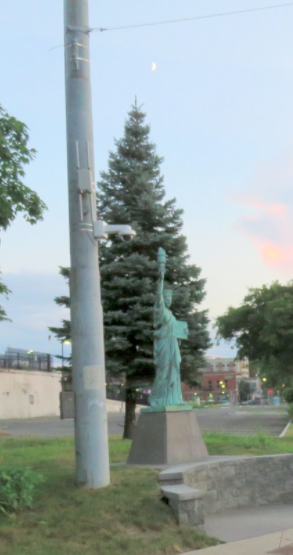
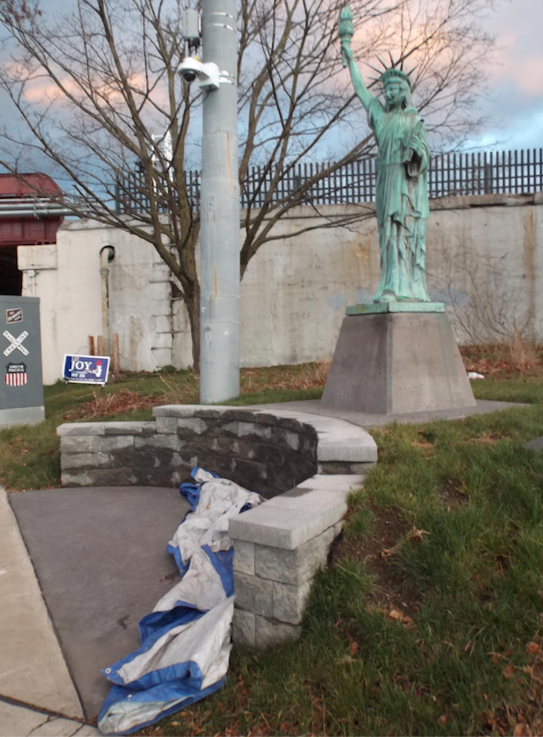
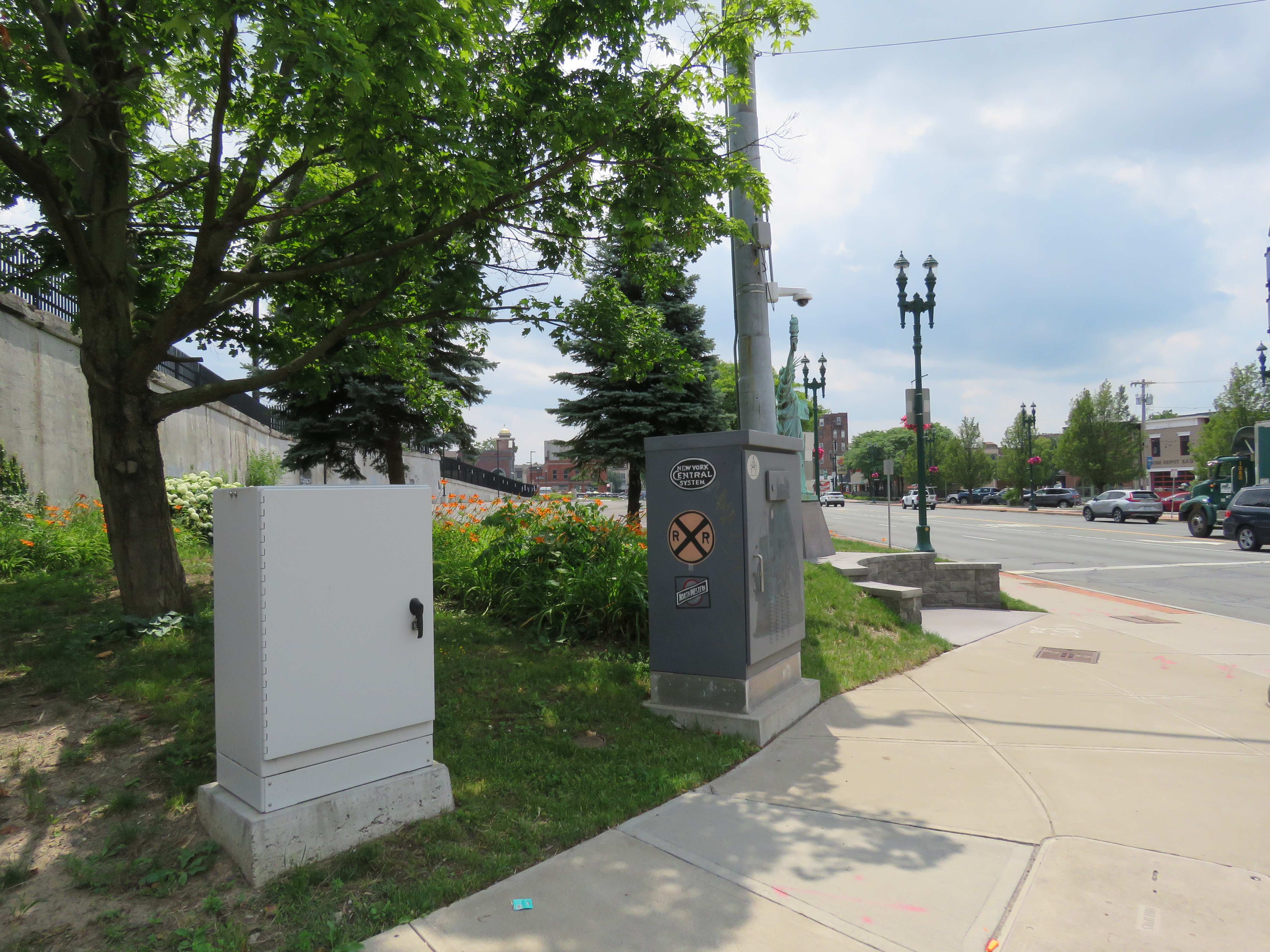
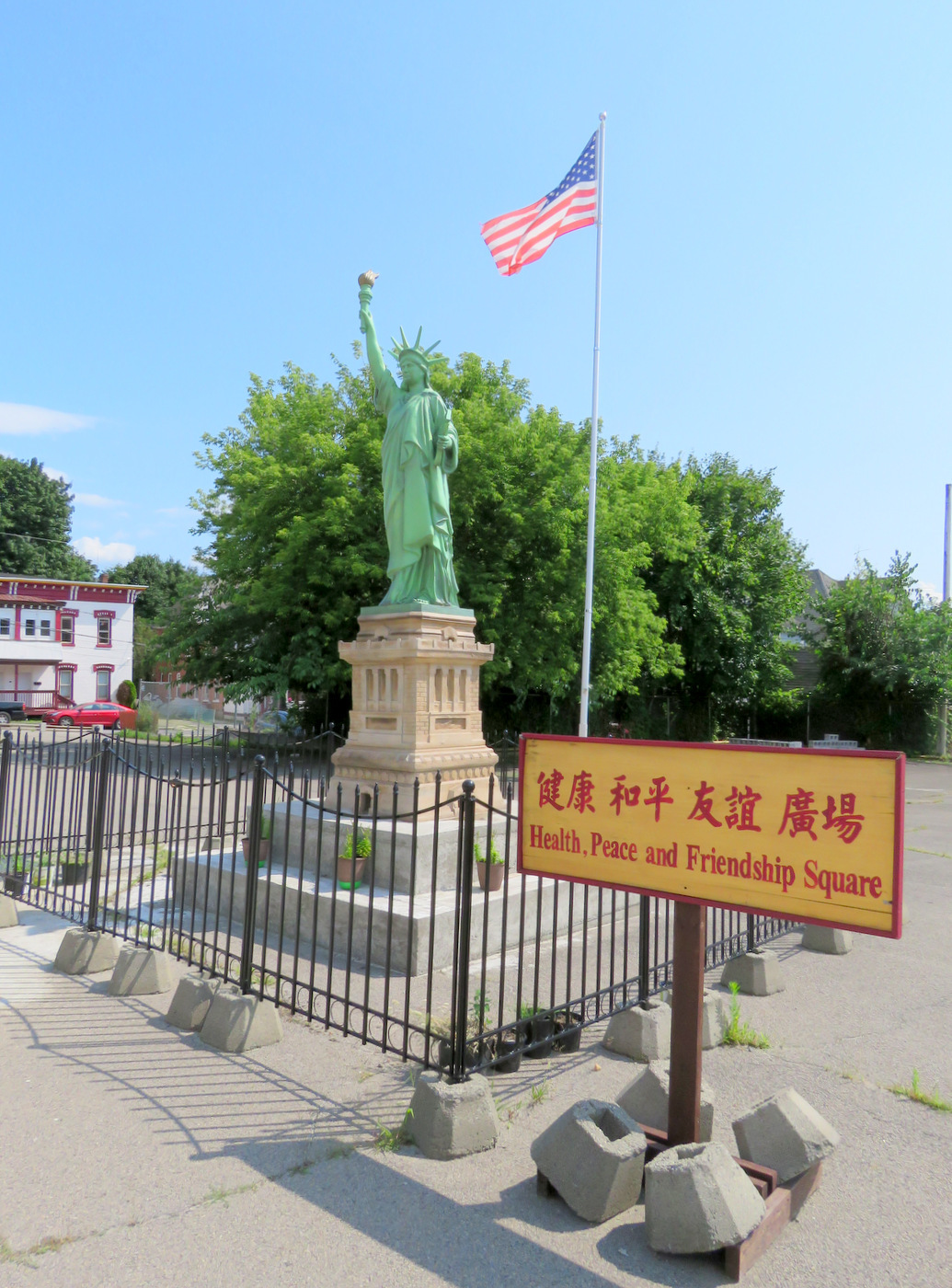
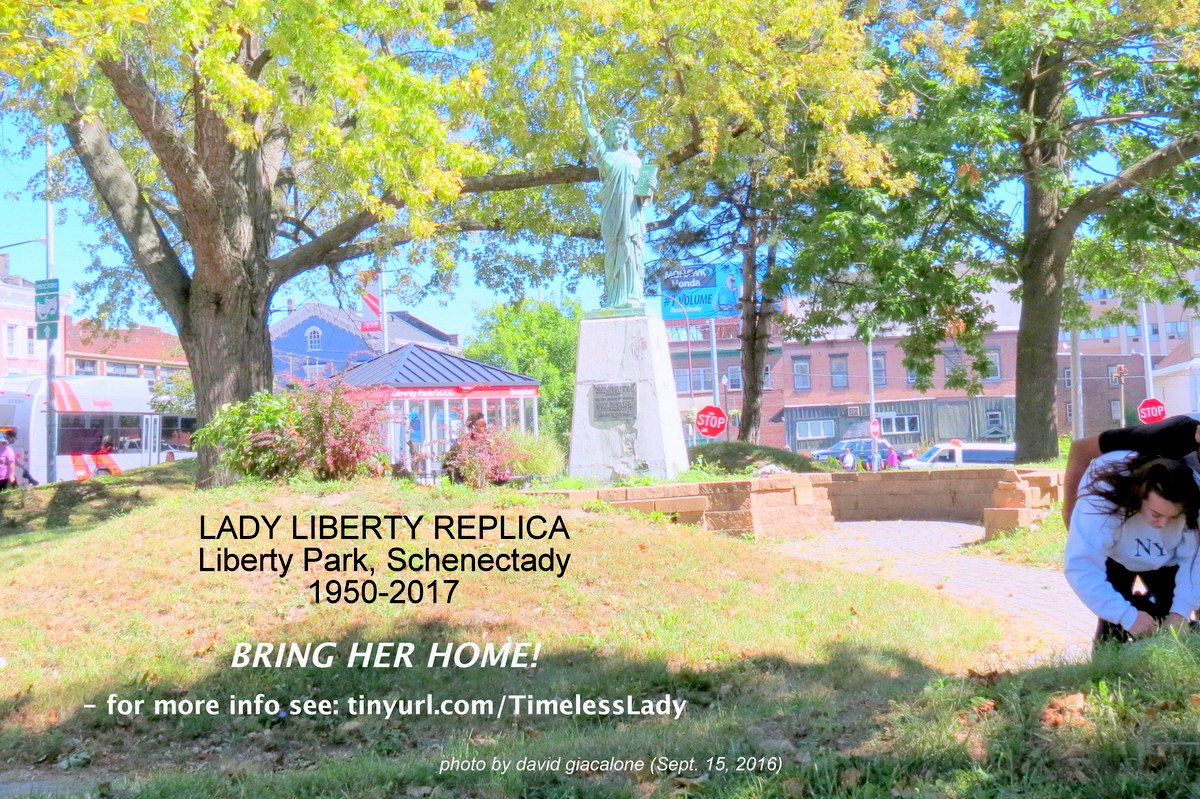
 Update (November 5, 2021): This is the Best Lady Liberty News In Years [if accepted by the Mayor]. The Resolution mentioned in the next paragraph, recommending that the Mayor return our Lady Liberty Replica to Liberty-Gateway Plaza has been placed on the Agenda of the Nov. 8, 2021 City Council Meeting. update (Nov. 8. 2021) Today’s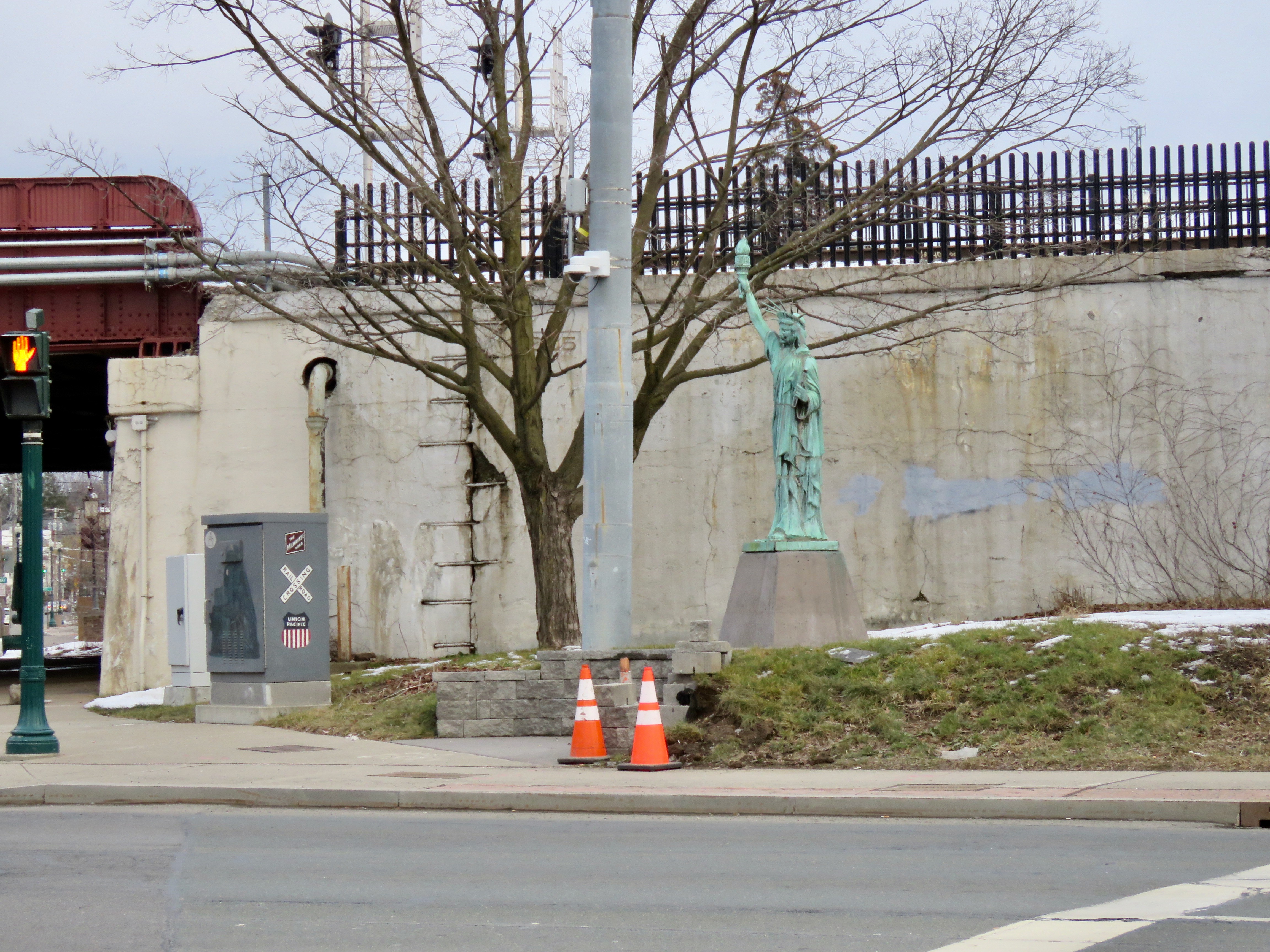











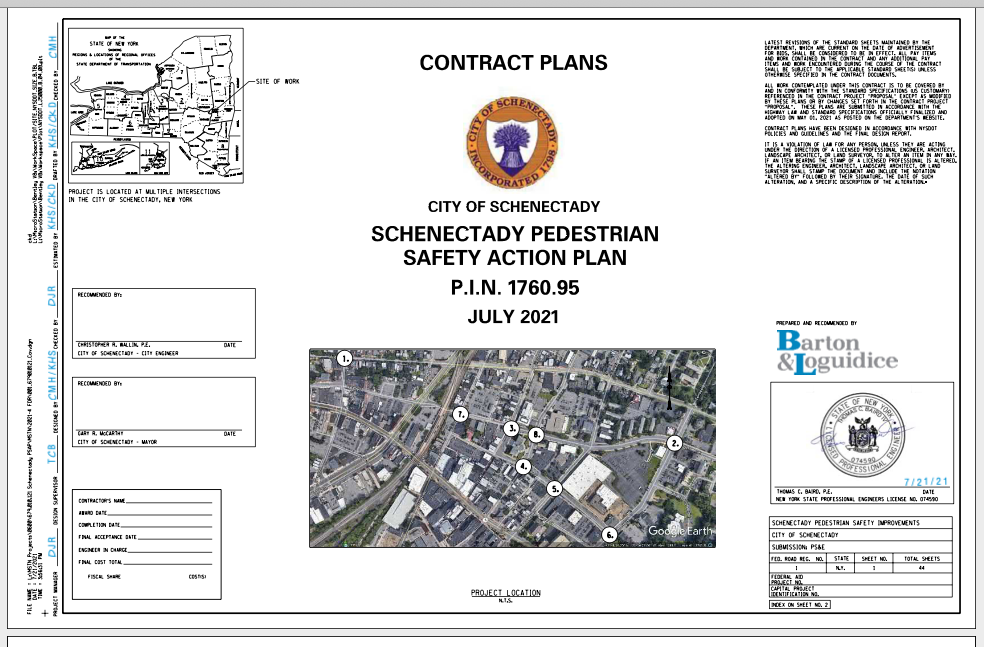

 Erie & Union Intersection NOT Included. During the Jan. 19 presentation, both Suzy Unger, Stockade Association President, and Daniel Carlson noted their surprise that the intersection of Erie Boulevard and Union Street is not included in the $1.1 million project. I agreed with Unger and Carlson in my Comments (Part 1), as did Stockade resident Gloria Kishton, that Erie-Union is far too dangerous for pedestrians to be omitted from the Plan, and the fact that it was “improved” several years ago is no excuse to ignore it now. I wrote:


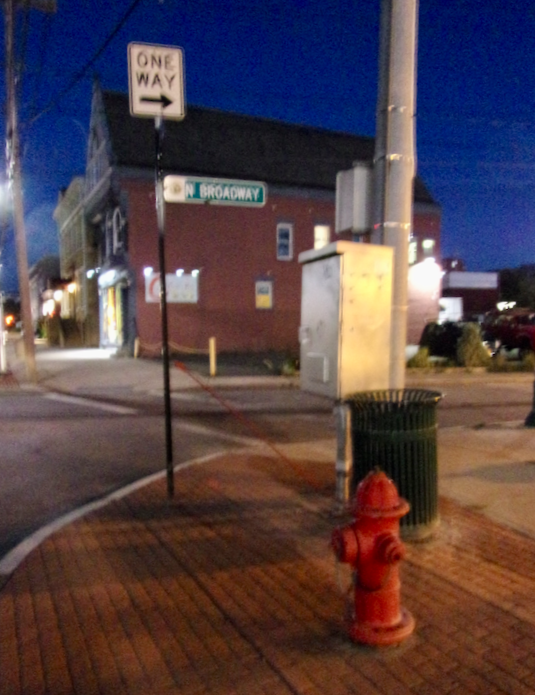


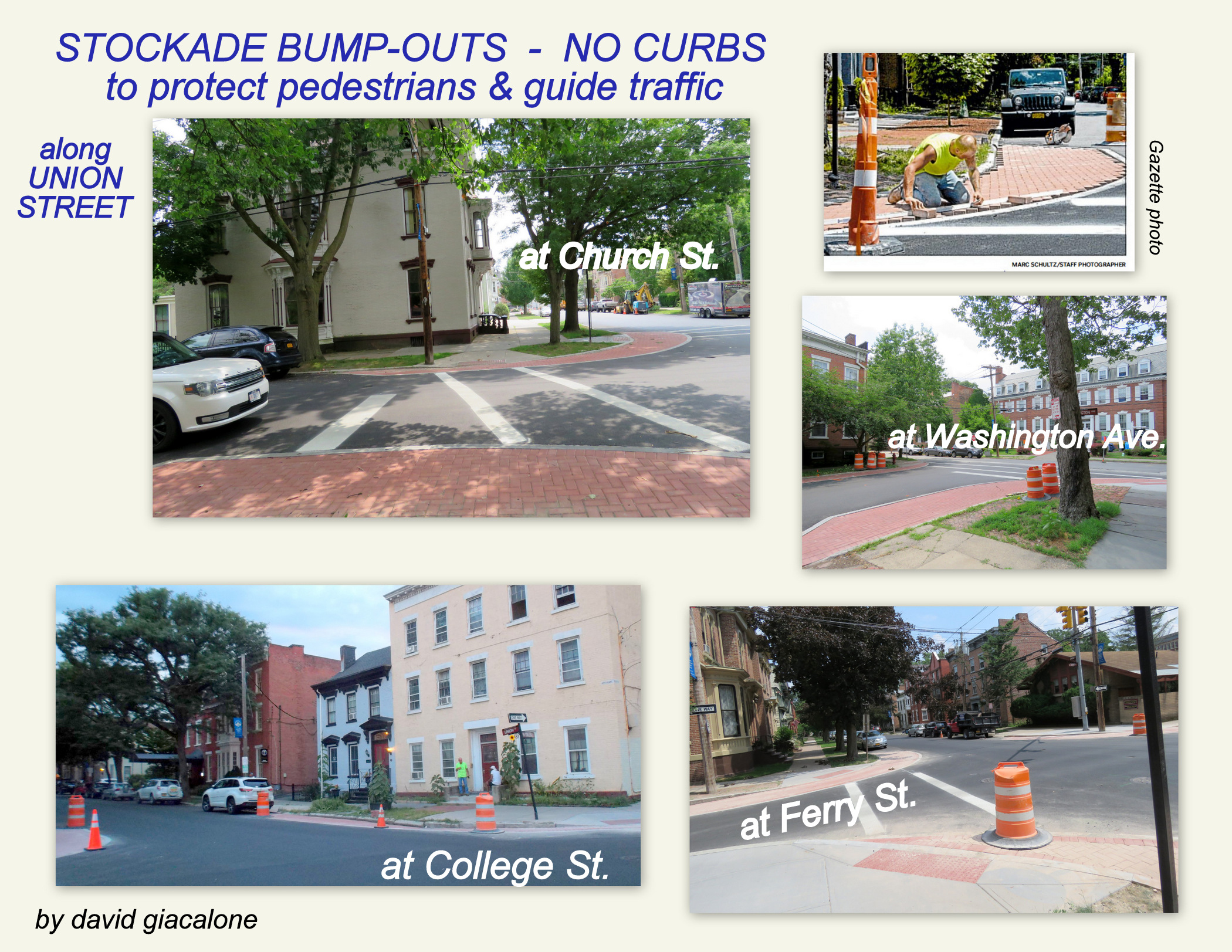

 See, “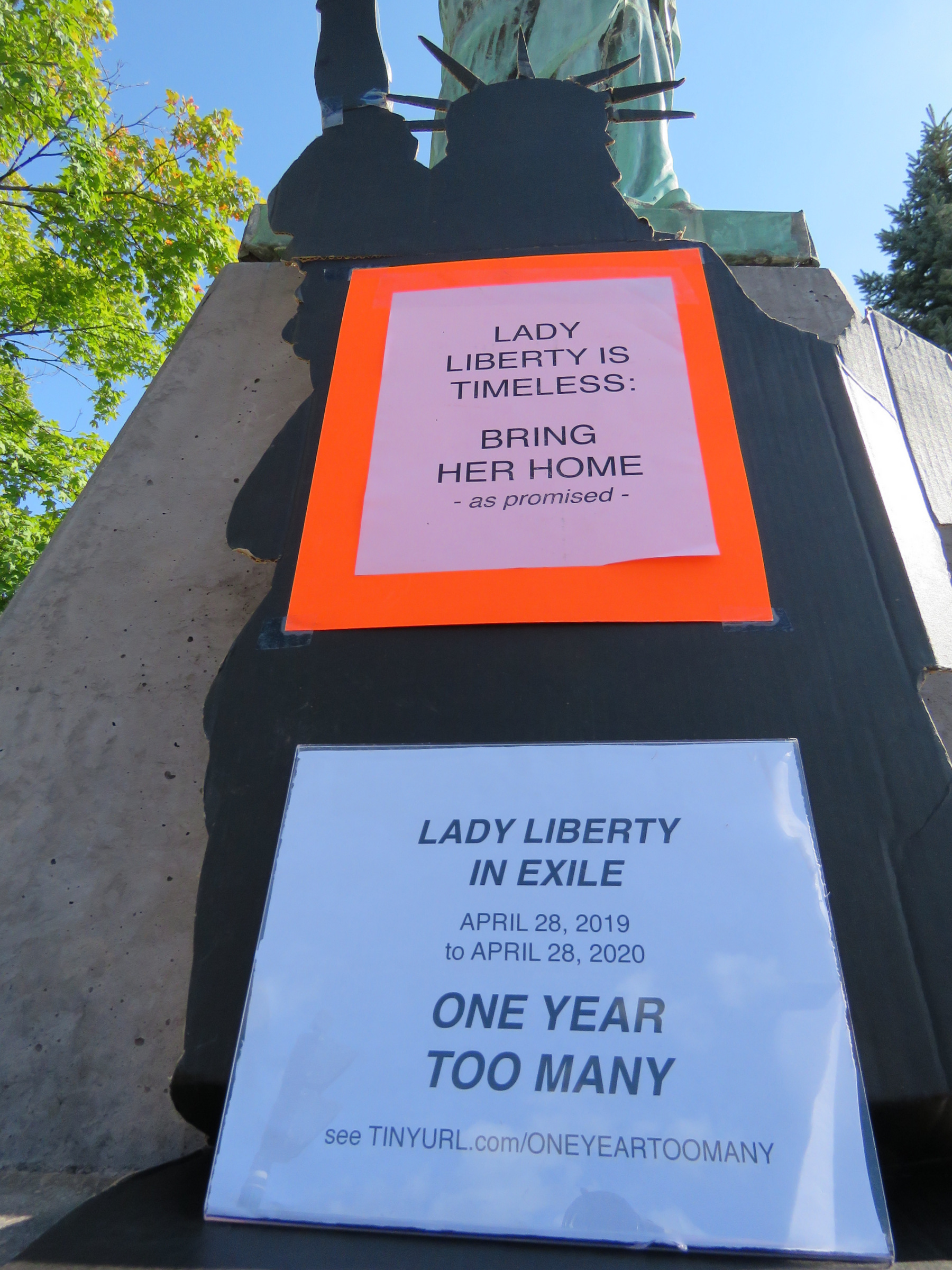











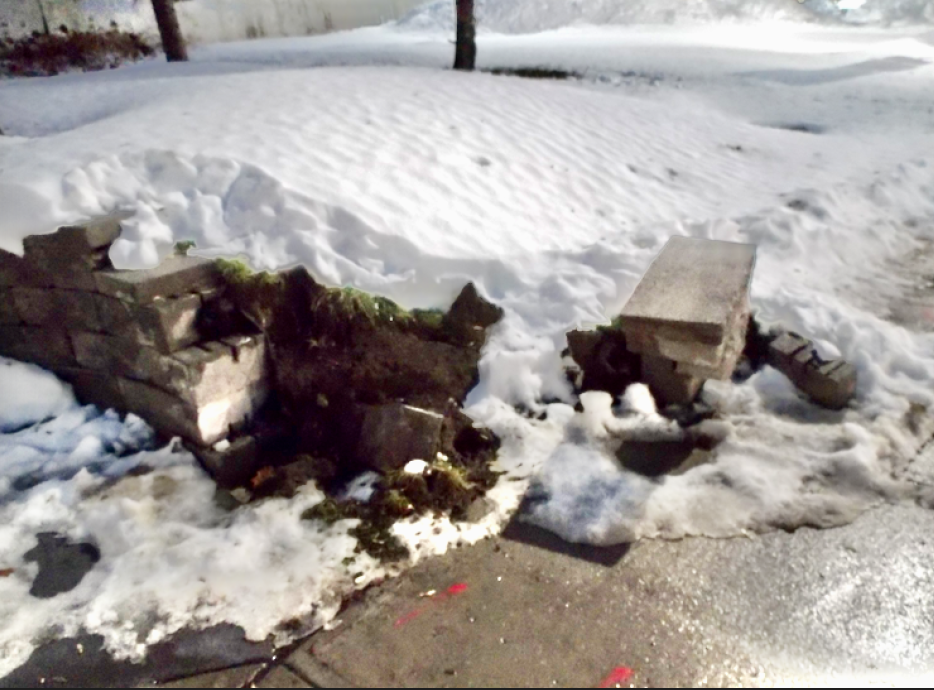


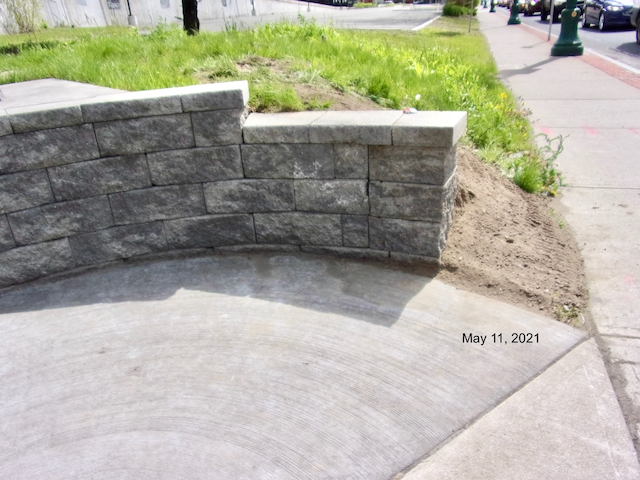


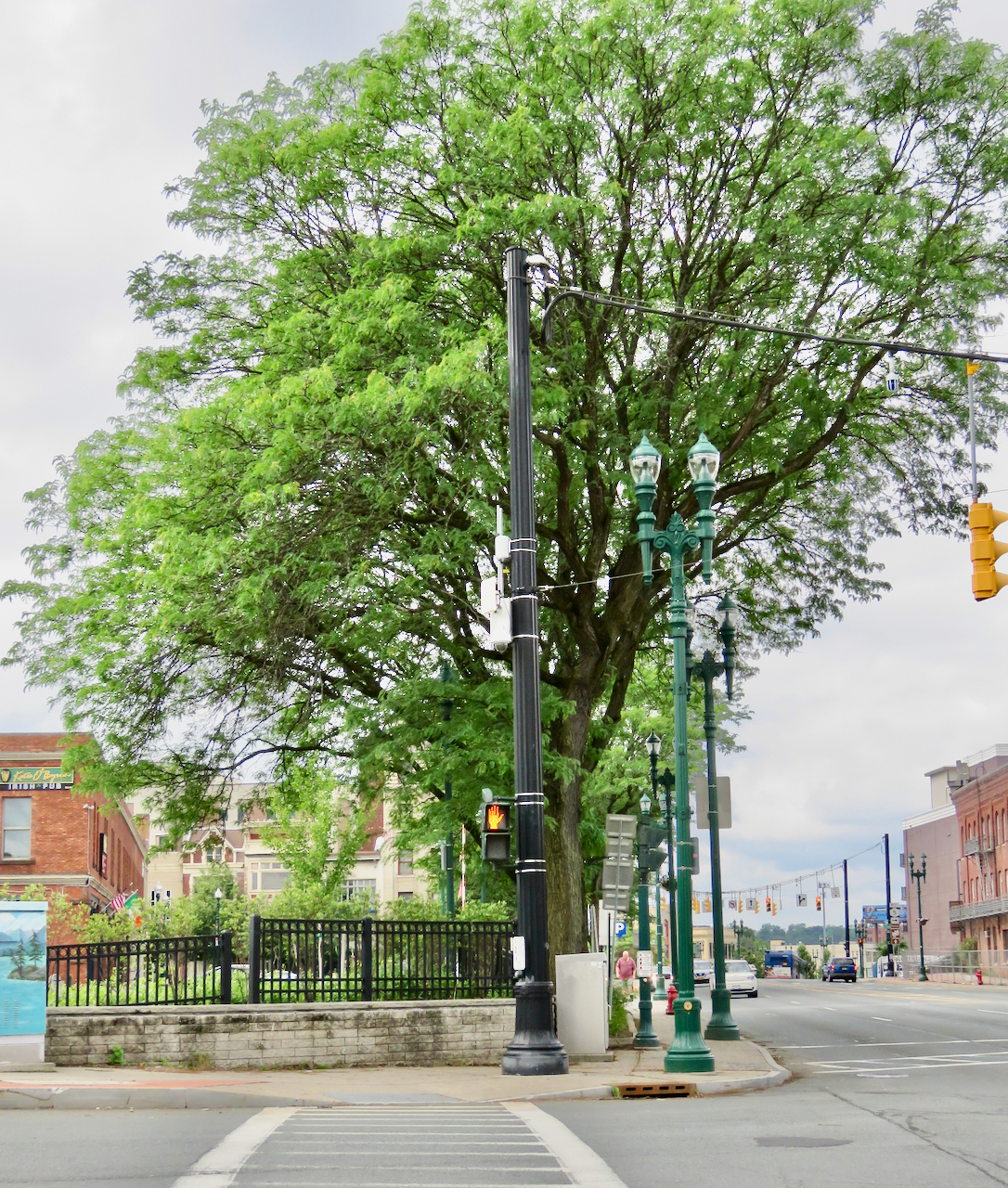

























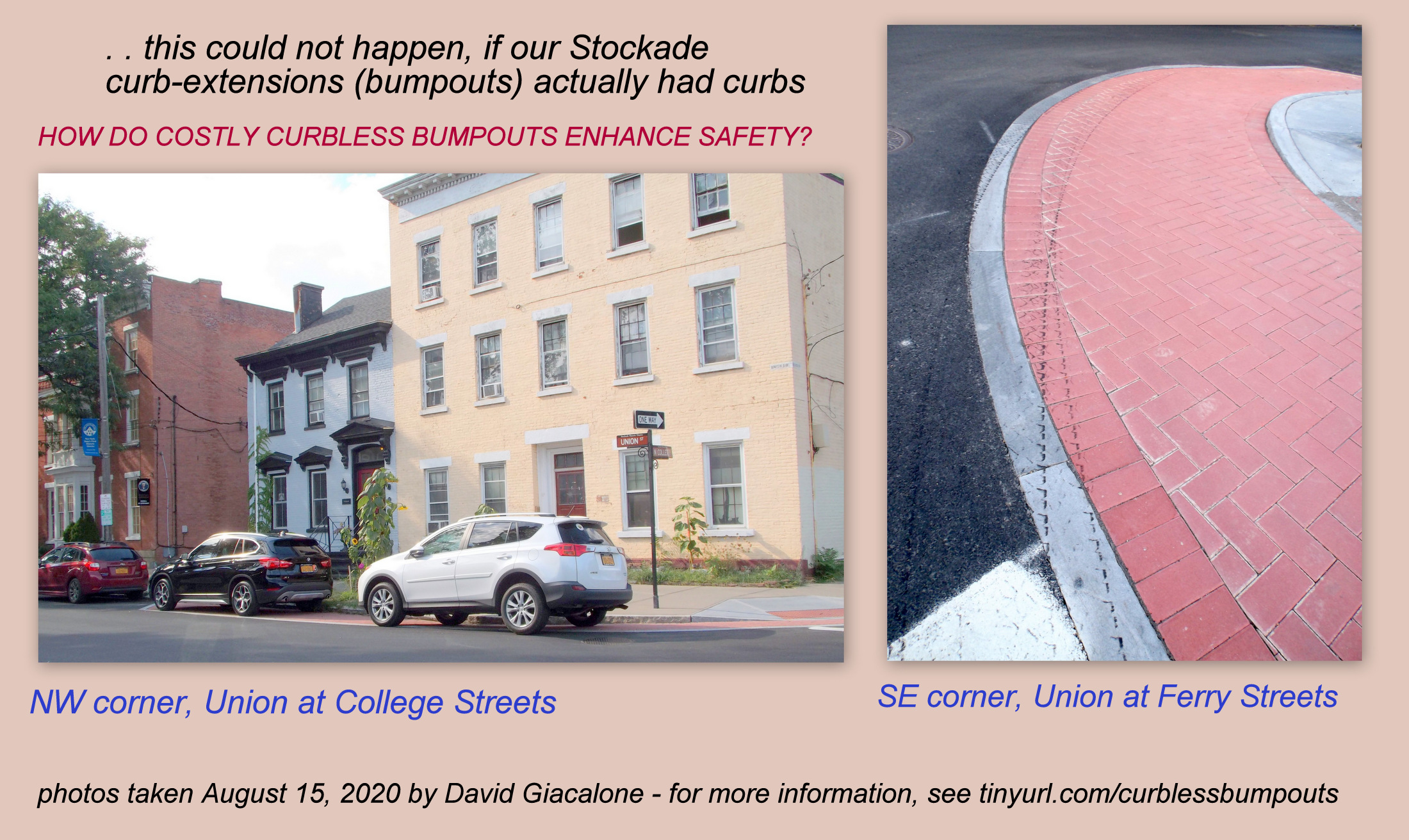









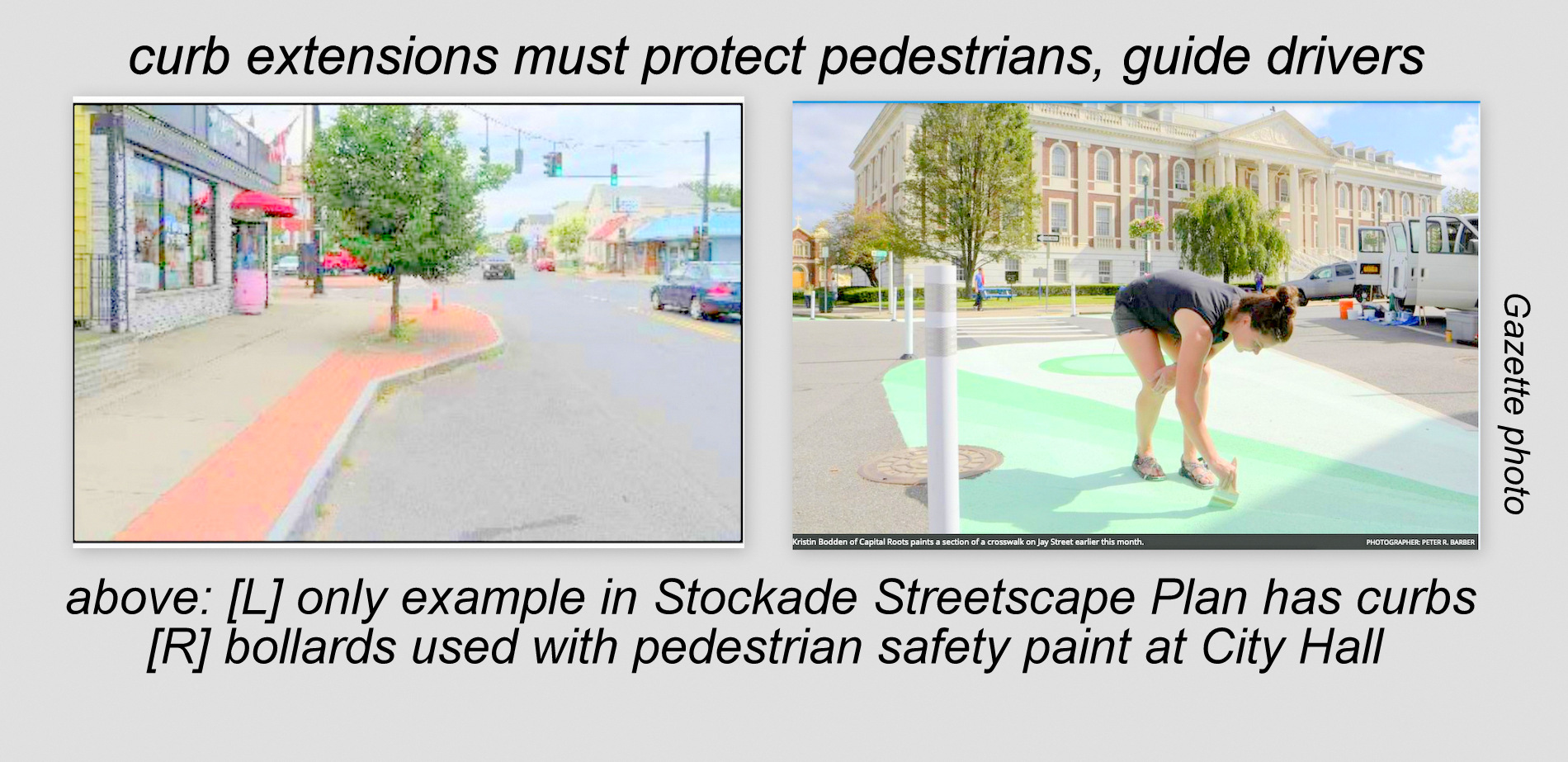
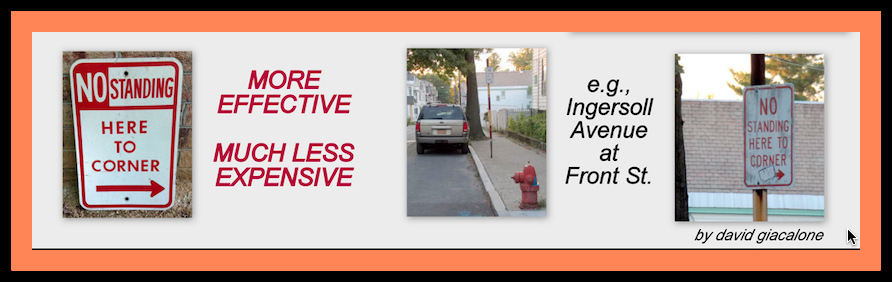
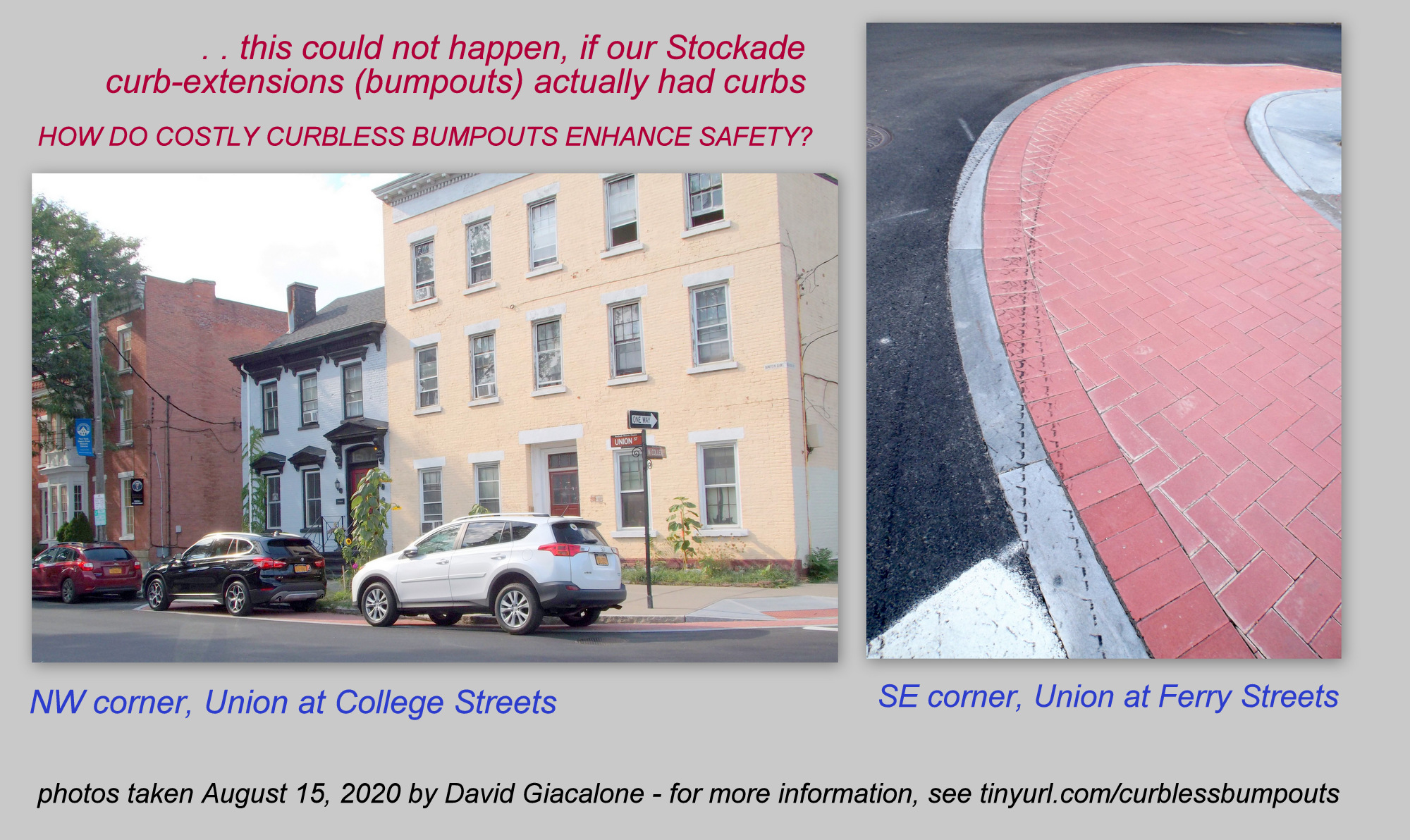
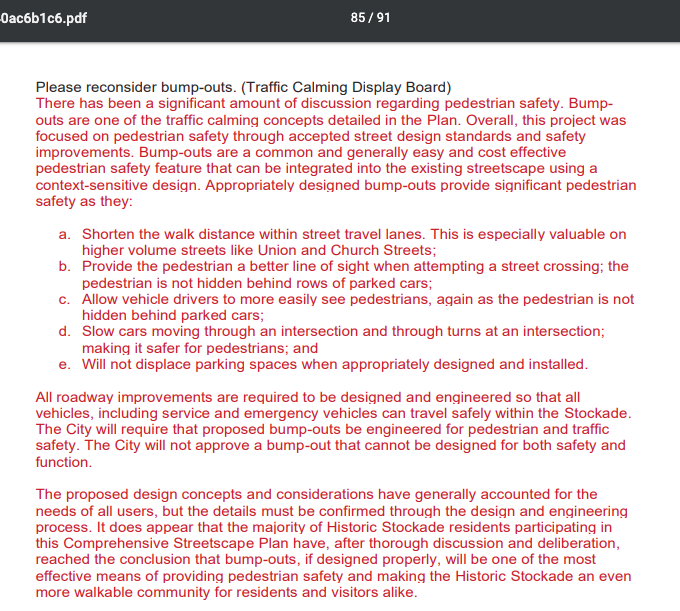
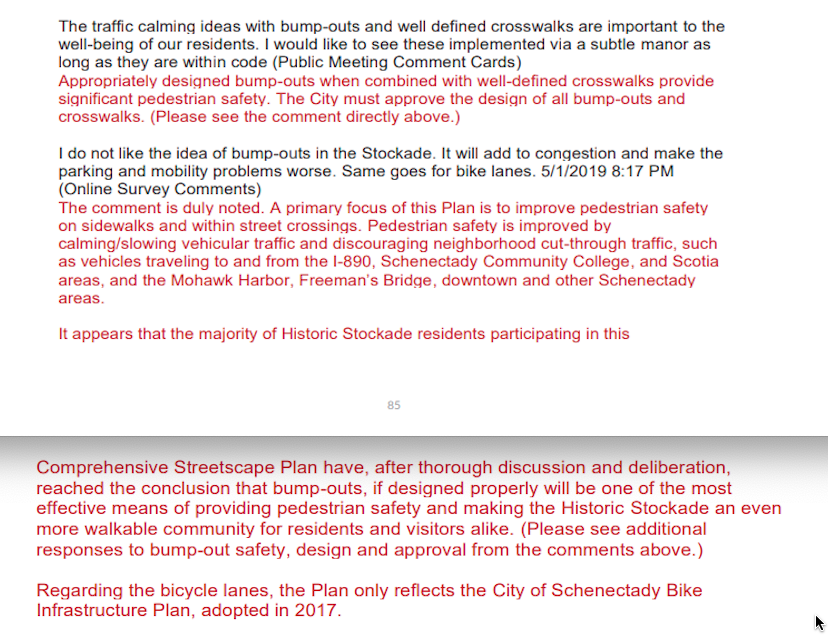
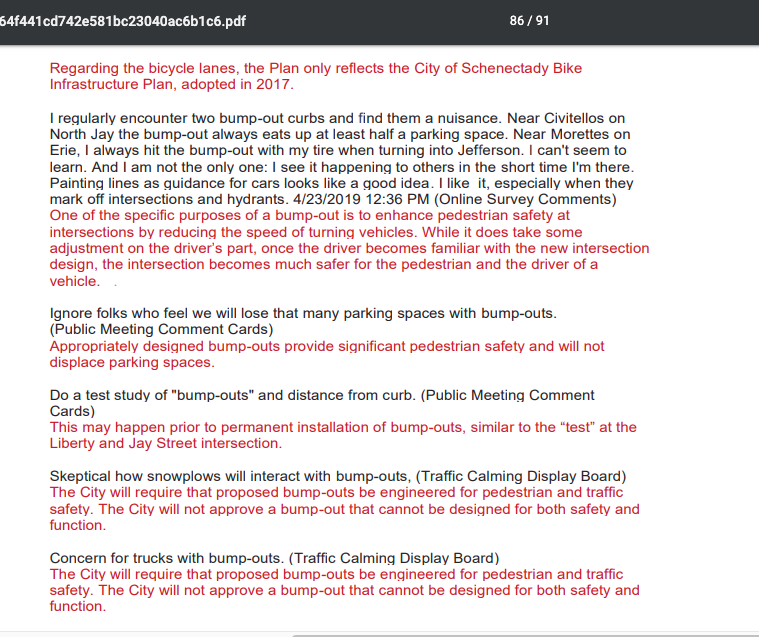
 The safety goal of having a shorter crosswalk to traverse with the bump-out is compromised when a pedestrian or wheelchair occupant is waiting for traffic on a curbless bump-out, as curbs offer an element of safety to those waiting to cross, and also require vehicles to make a wider turn. To the extent that a real curb-extension prevents parking close to the crosswalk or intersection, they allow drivers to see waiting pedestrians. That benefit is lost if vehicles are parked on a curbless bump-out. Curbs let all know that the “bump-out” is part of the sidewalk, not part of the roadway.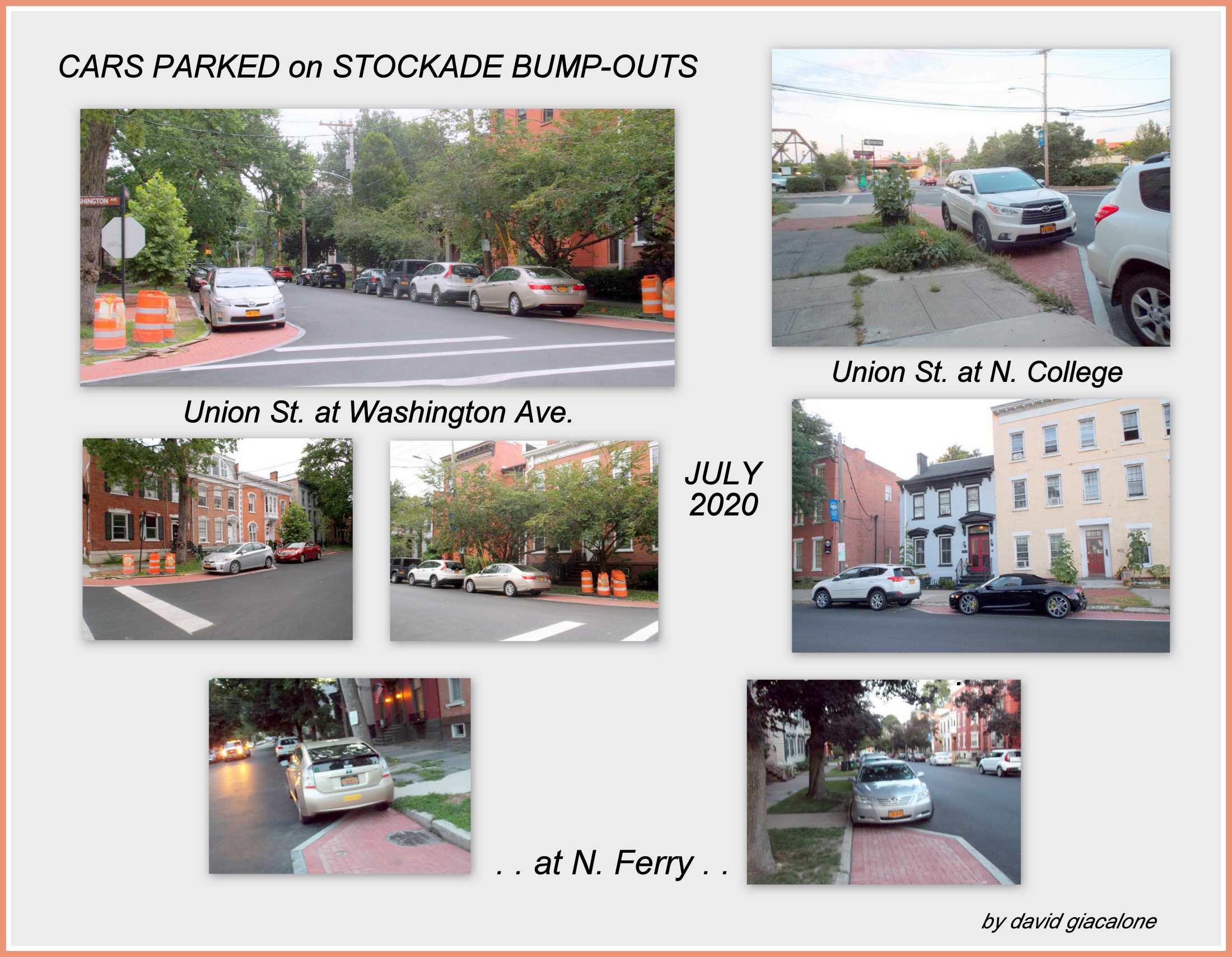






 Rendering Ruse: The use of architectural renderings, engineering drawings, or other documents, that are submitted during a planning process to gain favor for a project, and that show or propose important elements (whether treasured, beloved, historic, popular, etc.), or the visibility of such elements, as being preserved or included in the proposal that are nonetheless gone when the project is completed.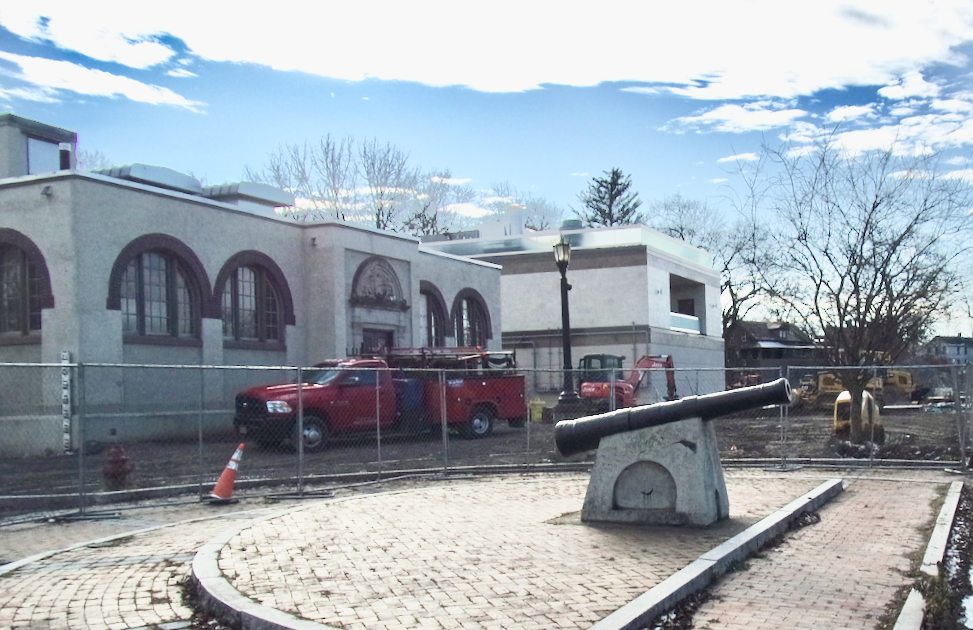


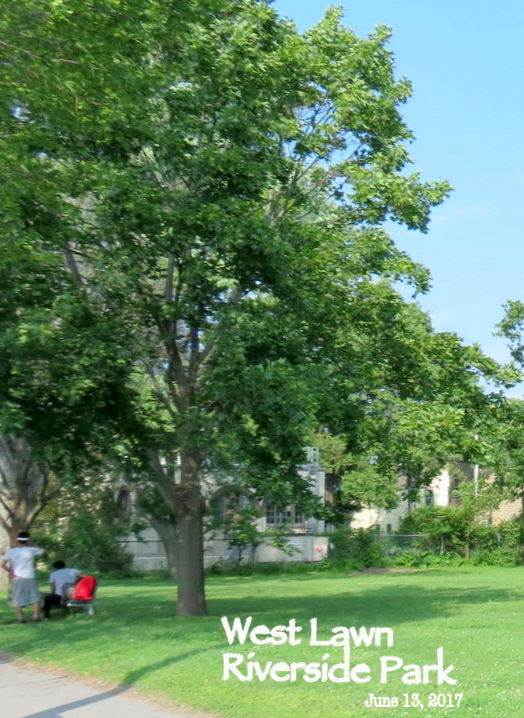
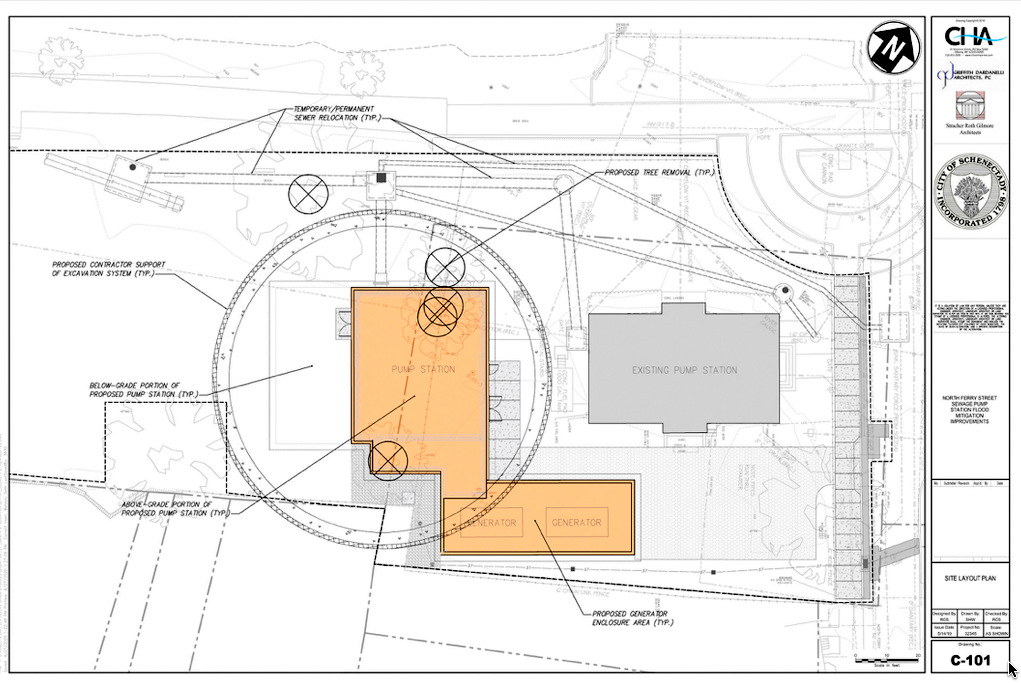

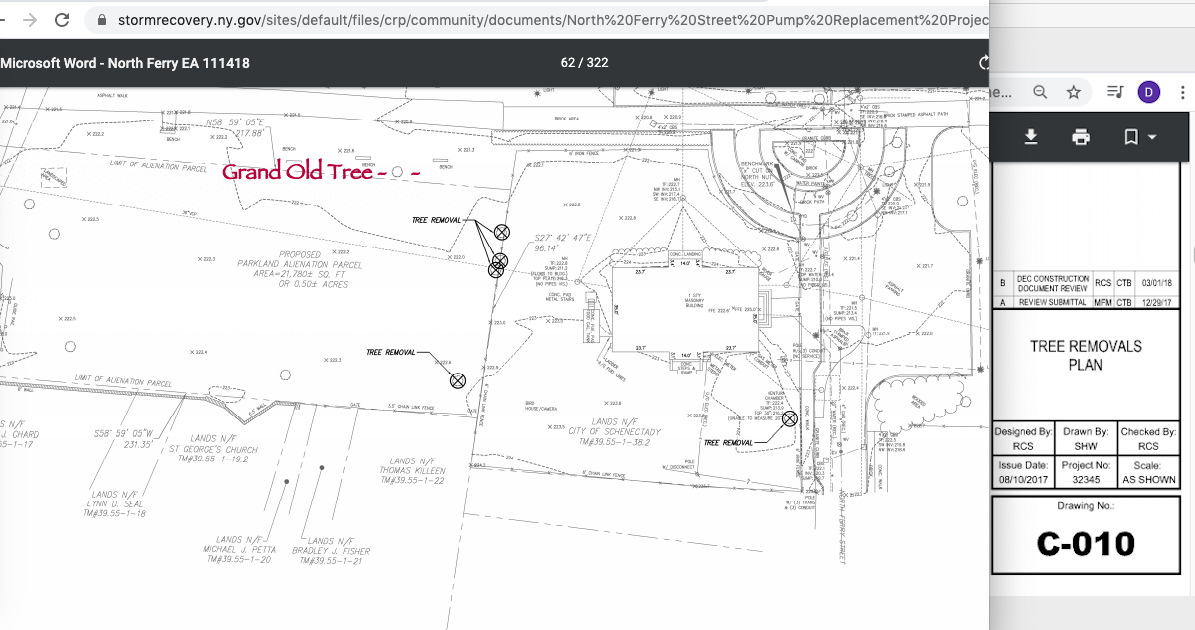




 (update: May 15, 2020): WHAT’s the STOCKADE ASSOCIATION DOING about this? The members of the Stockade Association [“SA”] are rarely asked their opinion on any topic. Instead, the SA Board normally acts on its own, without a significant attempt to ascertain what its members and others in the Stockade neighborhood and community would like to see done.


 snowmen at the gates