
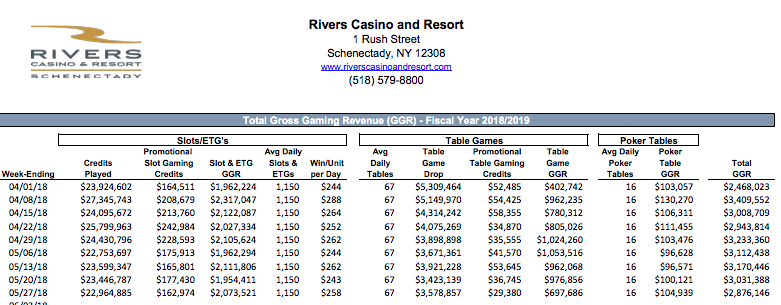
The press has told us that revenues are up significantly the first half of 2018 compared to the same period last year (see our posting). So, I was somewhat surprised this afternoon looking at the Gross Gaming Revenue figures for the first three full weeks of July 2018: Despite a 17% increase in Slots/ETG GGR, the Total GGR was down 9.5% compared to the same period of 2017 ($9,475,893), while Table Game GGR fell a remarkable 53%. Click for the Rivers Casino Weekly Revenue Report. And, click to see a chart of the numbers for the first three weeks of July in 2017 and 2018.
 full-month follow-up (August 4, 2018): Rivers Casino Gross Gaming Revenue numbers for the week ending July 30, 2018 were posted today, allowing us to tally the full comparison of the two Julys at Schenectady’s Rivers Casino. The numbers and totals can be seen on this chart. Here’s the summary:
The Gross Gaming Numbers at Rivers Casino at Mohawk Harbor for July 2018 were:
- in Total, at $11,644,566, down 3.3% over July 2017
- for Slots/ETG, at $8,574,114, up 19.4% over July 2017
- for Poker Tables, at $454,123, up 9.5% over July 2017
- for Table Games, at $2,616,325, down 41.1% over July 2017
. . share this posting with this short URL: https://tinyurl.com/MohawkDoldrums

 Moreover, revenue
 so far in for the full month of July 2018 was down 3.3% over July 2017, despite Rivers Casino and Mohawk Harbor having achieved/installed virtually all of the “wait-until” features that we were told will stabilize and generate the projected revenue:
- the opening of the 200-unit River House apartments in August 2017 at Mohawk Harbor
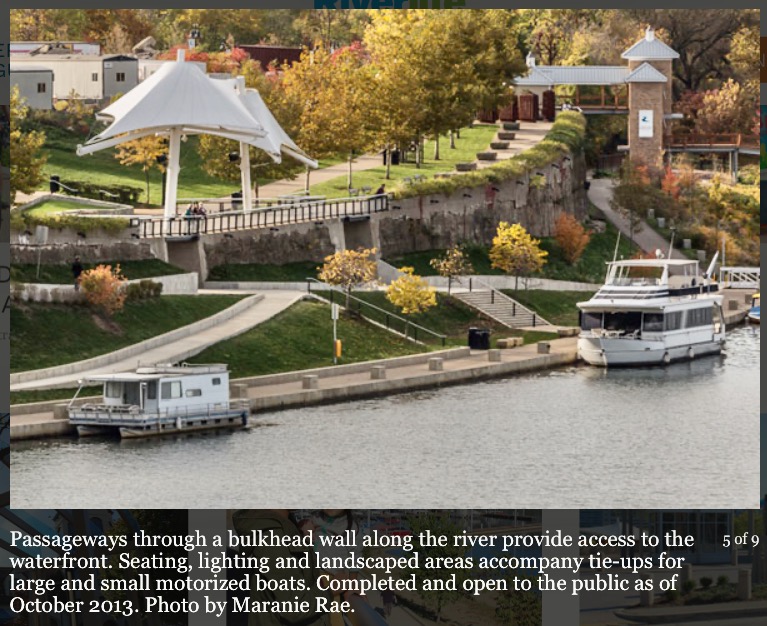
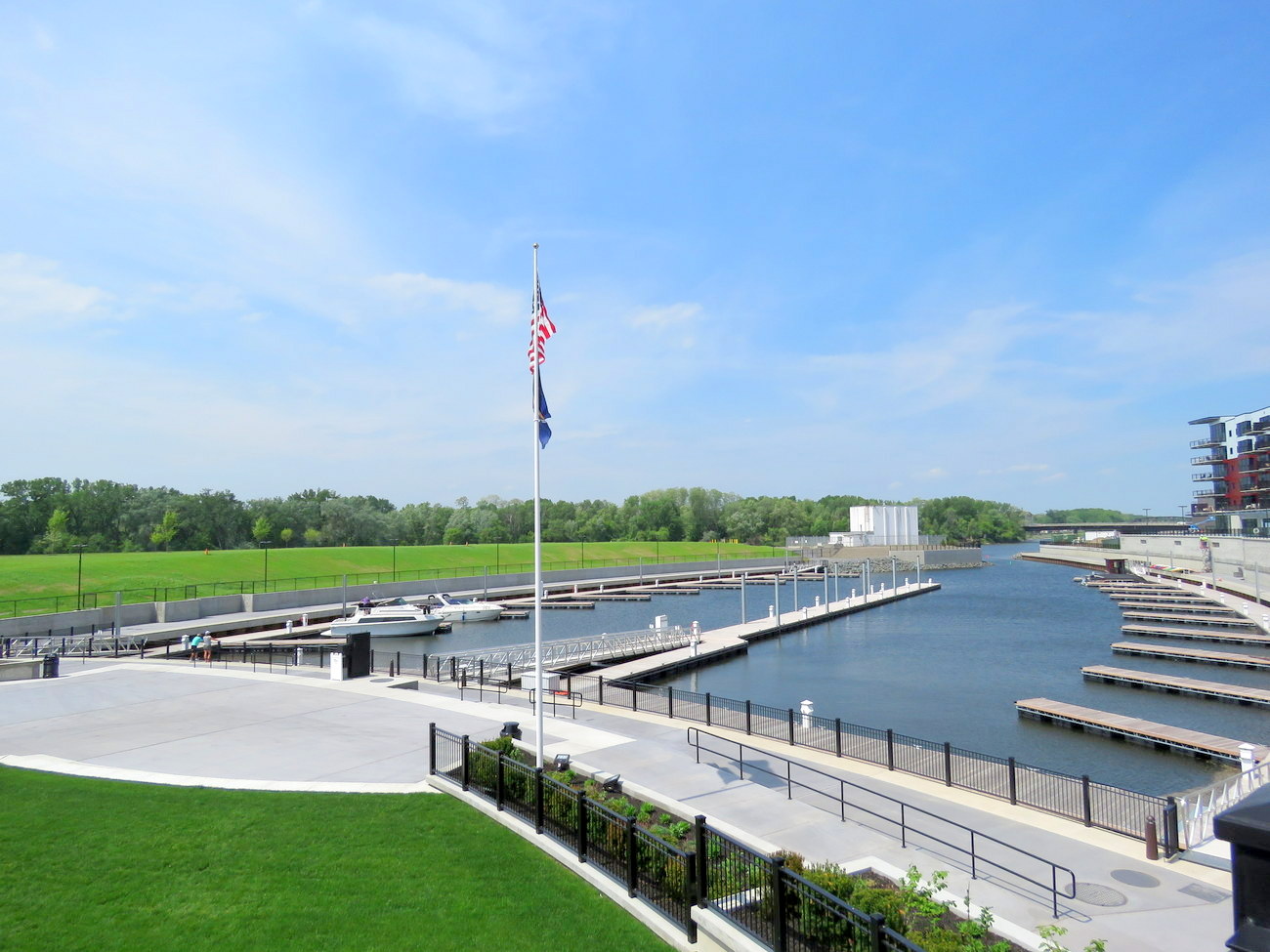
 the availability for the summer boating season of Mohawk Harbor Marina, which was opened in November 2017.
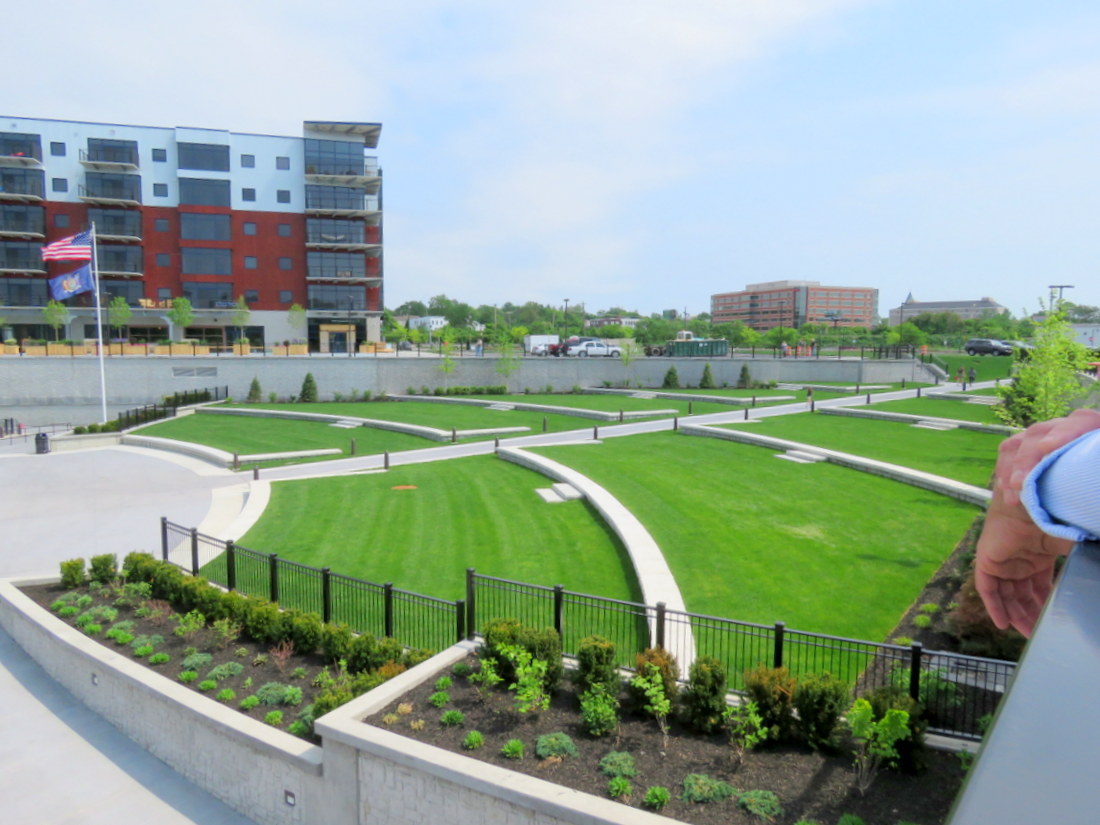
- opening of the Harbor Amphitheater, and presentation of free Harbor Jam concerts this summer at the Marina every Saturday night since June 23. And, note this follow-up (Aug. 2, 2018): In today’s Gazette article “Harbor Jam heats up in Schenectady: Free outdoor concert series is packing them in at Mohawk Harbor” (at 8 of the Ticket section, by Indiana Nash), are told: “The series has drawn more people into the casino as well as to places like Druthers Brewery and Restaurant, which is located on Harborside Drive.” In the print edition, the sub-headline states “Fans flock to free series, helping casino, restaurants.”
- another big crowd for a set of impressive Fourth of July Fireworks
 the much-publicized and anticipated opening of Druthers Brewing Co. at Mohawk Harbor on June 21
- The Casino’s Landing Hotel being open the entire month of July (only a week last year)
- The installation of a “CYCLE!” bike-share station at Mohawk Harbor
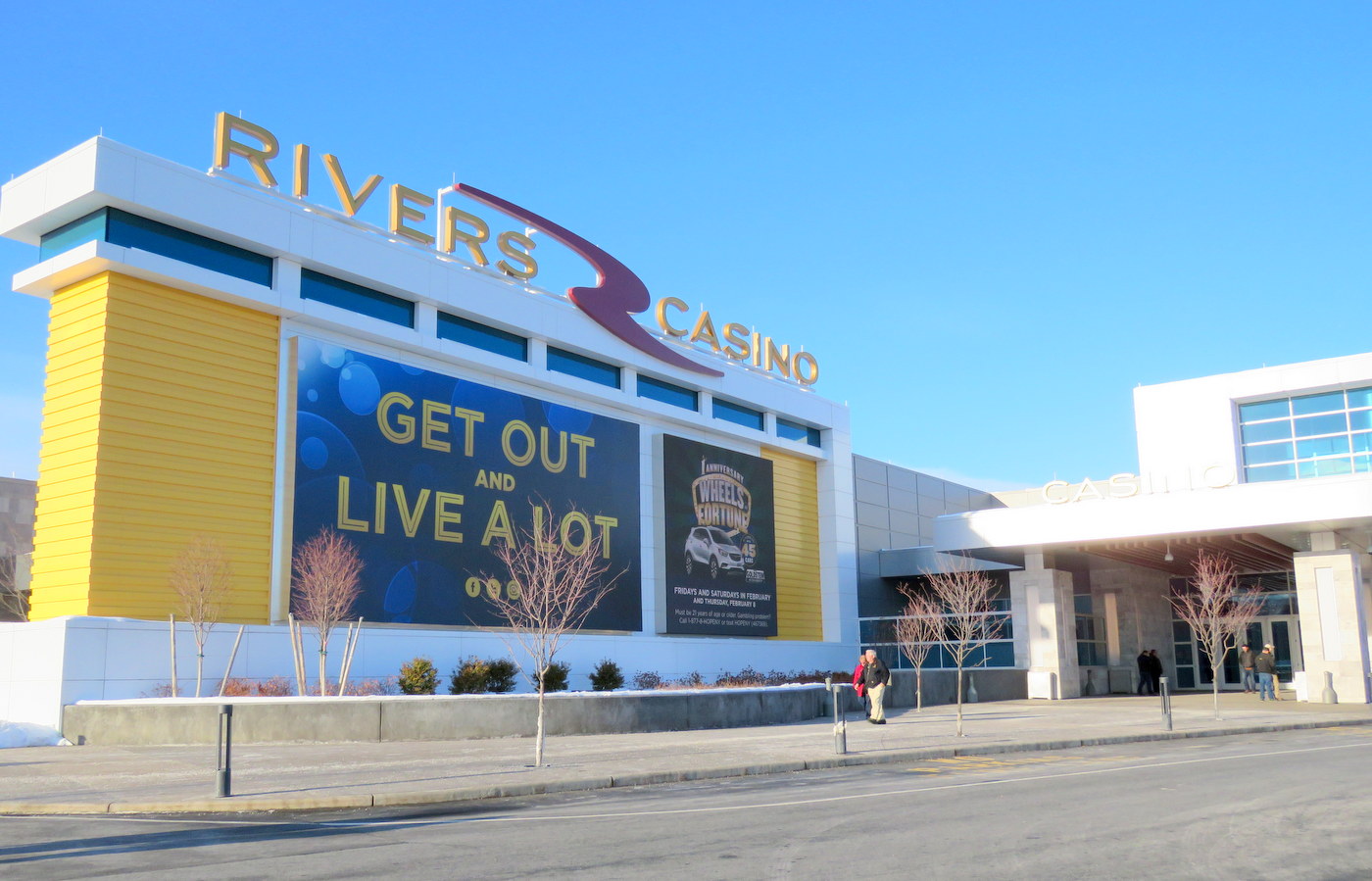
 the erection of a giant (30′ by 18′) shopping-mall style pylon sign, with large and bright LCD screen, advertising the Casino and many amenities of Mohawk Harbor, at the intersection of Mohawk Harbor Way and Erie Blvd.


 In addition, the new Schenectady County Tourism and Convention Bureau, has been active all year, with a budget over $400,000. The Tourism Bureau, with its Discover Schenectady website, puts a lot of stress on Schenectady’s Casino, giving it its own “Casinos” Category (and related webpage) on the Things To Do pull-down menu. The Casino’s Convention Center is also a focus of Bureau activity. It is funded with Schenectady County’s recently-raised room occupancy tax and other sources, including the state’s “I Love NY” program.
- The Board of the Convention and Tourism Bureau, naturally, includes representatives of the Casino, and its business partners, and Mohawk Harbor. The vice president is Brooke Spraragen, director of project planning at The Galesi Group, the developers of Mohawk Harbor, and owner of the land under the Casino parcel.
 Our July 16, 2018 posting noted that the increase in gambling revenue at Rivers for the 2nd Quarter of 2018 came totally from Slots and Electronic Table Games. We need to raise a red flag about just whose money is floating Rivers’ boat and helping to fill the tax coffers of the City and County of Schenectady. Many detractors of casinos, especially casinos in urban areas, fear that a worrisome percentage of slots dollars come from local problem gamblers, and the most vulnerable members of our society, not from traveling high-rollers or members of the comfortable middle class simply spending disposable leisure dollars. For example, the Report Why Casinos Matter states that:
Problem gamblers account for 40 to 60 percent of slot machine revenues, according to studies conducted over the past decade or so.
If such concerns are valid, cheerleaders celebrating increased revenues at our Casino might want to pause to ask about the potential social costs of choosing to base our financial policy on such regressive taxation. As MIT professor Natasha Dow Schüll, author of Addiction by Design, wrote in the New York Times (Oct. 10, 2013):
Surely, civic leaders looking to close budget gaps can find more ethical alternatives than capitalizing on such traps.
Ms. Schüll also noted: “Studies by a Brown University psychiatrist, Robert Breen, have found that individuals who regularly play slots become addicted three to four times faster (in one year, versus three and a half years) than those who play cards or bet on sports.” That “has to do with the solitary, continuous, rapid wagering they enable. It is possible to complete a game every three to four seconds, with no delay between one game and the next. Some machine gamblers become so caught up in the rhythm of play that it dampens their awareness of space, time and monetary value.”
 One number that jumped out at me from the Rivers Casino report for this past week, ending July 23, 2018, is the total GGR from Table Games: $225,435. That is by far the worst week yet for Table Games at Schenectady’s Rivers Casino. It is 46% lower than the prior worst Table Games week, and one-ninth the take of the best Table Games week at Rivers Casino ($2,039,456). With slots use rising and table games flat or declining, it is more and more difficult to accept the notion we get from Rush Street and our City Hall that people see Rivers Casino as a Destination Resort.
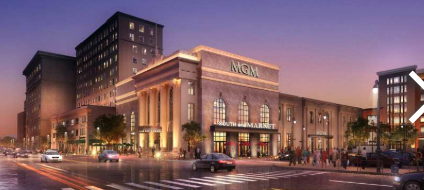
 And, speaking of destination resorts and trouble ahead, see the Times Union “New competition for Capital Region gambling dollars” (by David Lombard, July 26, 2018), an article about MGM Springfield, the almost-billion-dollar casino opening August 24th, just 100 miles away in Western Massachusetts, and already being advertised heavily on local tv as a true Las Vegas-style casino


Slots
follow-up (Sunday, August 5, 2018): Sara Foss has again used her Gazette column to raise the issue of the social cost of casino revenues on gamblers and our community. See “Foss: Increase in casino revenue comes with social costs” (Sunday Gazette, Aug. 5, 2018). The column notes a 21.8 percent increase in slots revenue from February through June 2018 from the same time period during 2017. Sara then states: “This is an impressive increase, but here’s the thing: Slots are highly addictive.”
Sara also quotes Phil Rainer, director of clinical services at The Center for Problem Gambling in Albany, saying “I find slots particularly deplorable.” Sara concludes by saying:
But I find it difficult to celebrate the boom times at Rivers’ slot machines.
For most people, playing the slots is harmless entertainment.
But for others, it’s a huge waste of time and money.
Local governments might reap the benefits of an increase in gaming revenue. But the social costs that go along with it shouldn’t be ignored.
Now that [the Rivers Casino is] here, I want it to be a success.
But it isn’t always clear to me what that means, because a casino isn’t a benign presence.
Similarly, from my own point of view, it is difficult to come up with a formula that attempts to wish the Casino well in growing its gaming revenue (and keeping its employees employed), while somehow limiting the additional injury caused by problem gambling. I wish we could figure out a way to improve gambling revenues with the least damage to the community.
 The ability to attract more non-slot gamblers might be a benefit in several ways:
- If they are from out of town and stay overnight, they add sales tax revenues (sales, food & beverage, room occupancy)
- Also, if from out of town, they do not steal Leisure Dollars from other local businesses {the “Substitution Effect”); and,
- If Table Game players are in general less poor than Slots players, and not on fixed-incomes, they are less likely to wreck havoc on family budgets and tranquility, and to increase the need for more social services.
 One thing for sure: Our community (and perhaps especially our schools) needs Problem Gambling Education and Prevention Programs. New York State has promised a small amount of funding for such programs, but — unlike other NYS communities with casinos — neither the City nor County of Schenectady has done so. See, for example, our posting here.
For more on the very predictable dilemma Schenectady faces trying to protect the community from the negative effects of Rivers Casino, and especially the growing reliance on slots dollars, see our post “Slotsification on the Mohawk” (July 13, 2018).






 Halfway through 2018, Rivers Casino & Resort is showing improved financial performance, with revenue in every month so far this year stronger than in the same month of 2017.
 My curiosity was piqued, of course, when I saw these words in today’s Gazette article:

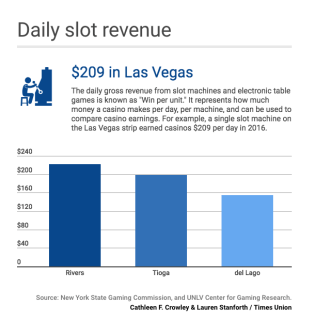


 The Times Union (


 (Oct. 5, 2018): Ray Gillen wrote in an email to the editor of this weblog, in the third week of September, that a fence would be built along the trail buffer “in October.” As of noon October 5, there is neither a fence or guardrail and no temporary warning devices; see the photo below, taken today: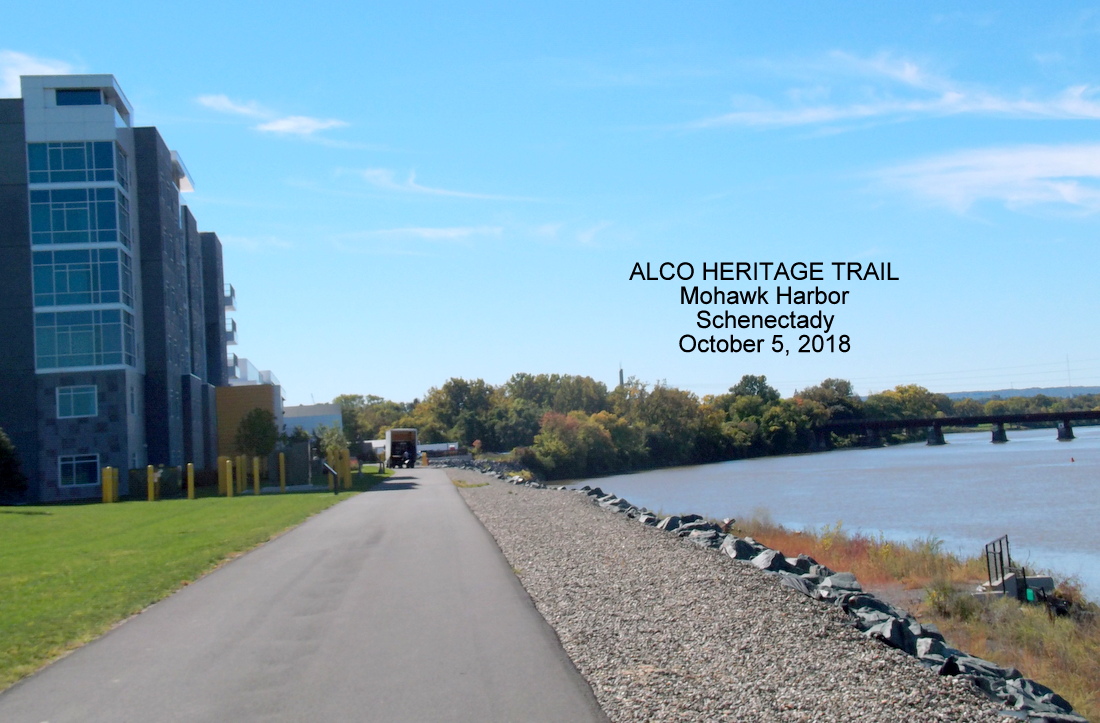


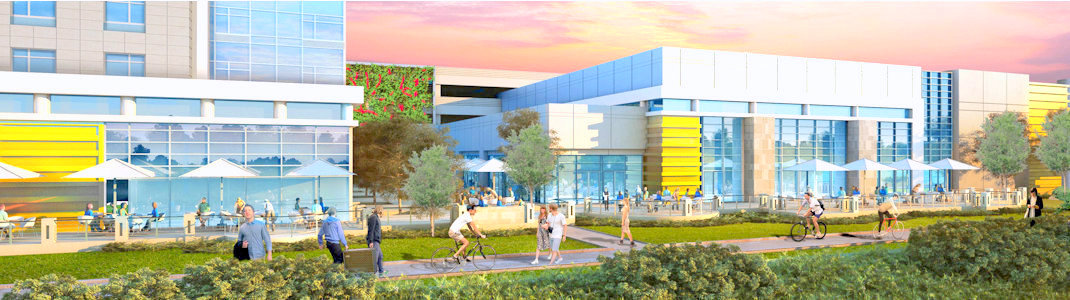


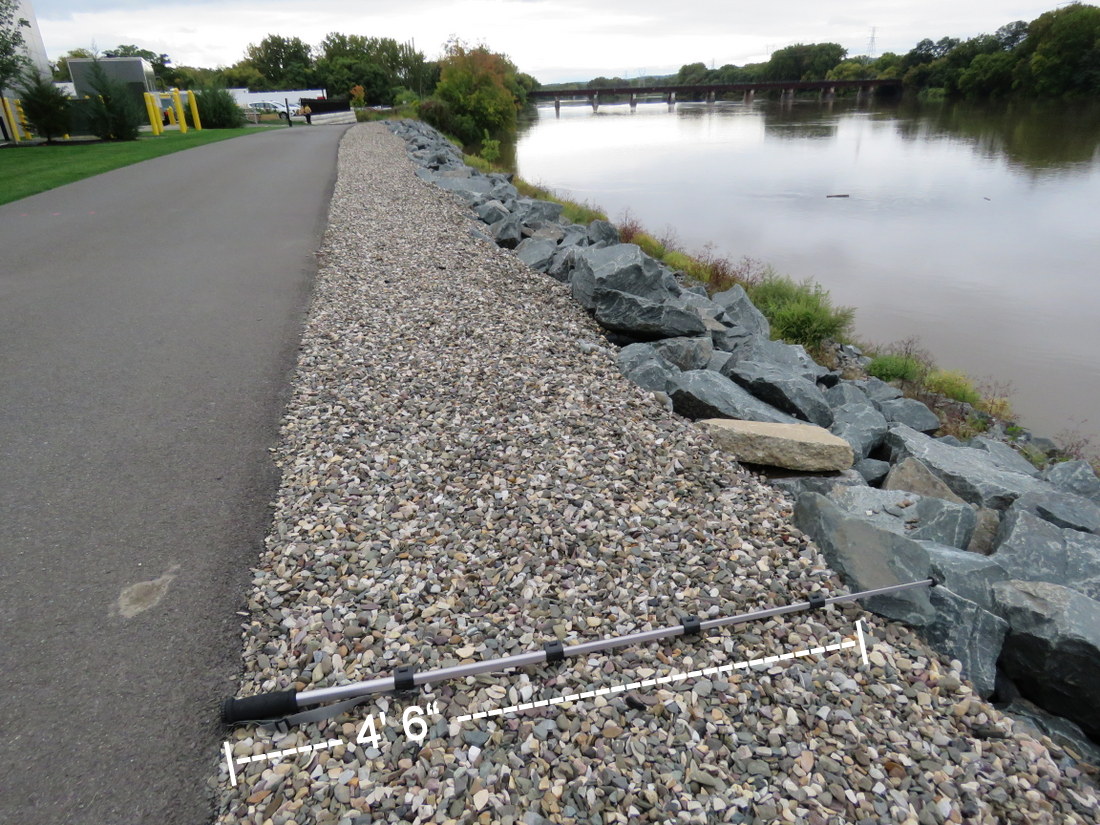

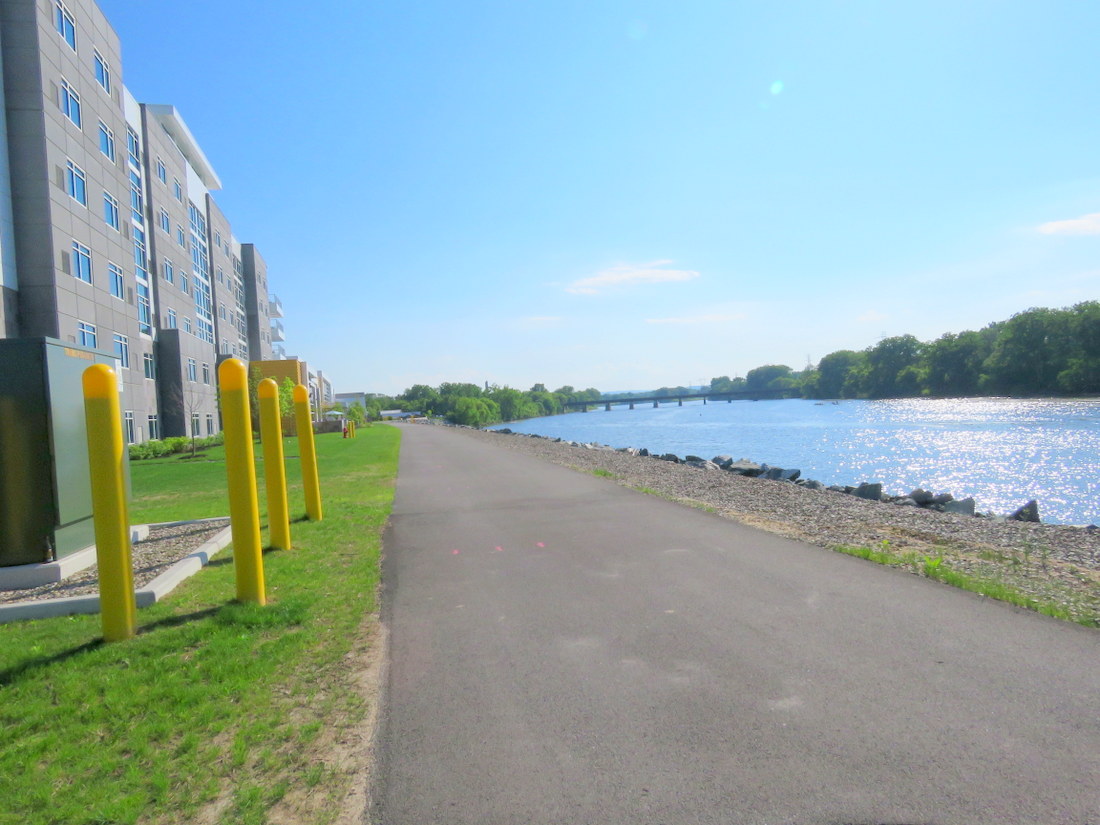



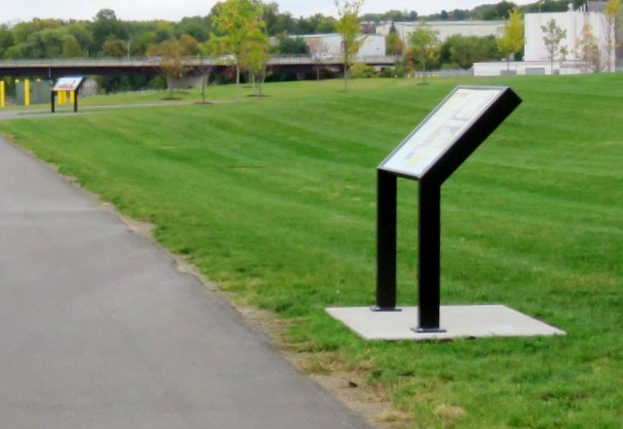
 $$? FINANCING THE TRAIL: The City of Schenectady C-3 Waterfront District zoning code, as quoted above, states that the pedestrian and bicycle trail “shall be constructed by the applicant.” (emphasis added) Nonetheless, the County and Maxon Alco (the Galesi Group company that owns Mohawk Harbor) entered a Harbor Trail Easement Agreement in March 2016 stating, “The parties agree that the maximum cost to Maxon Alco for the construction

 . .
. . 

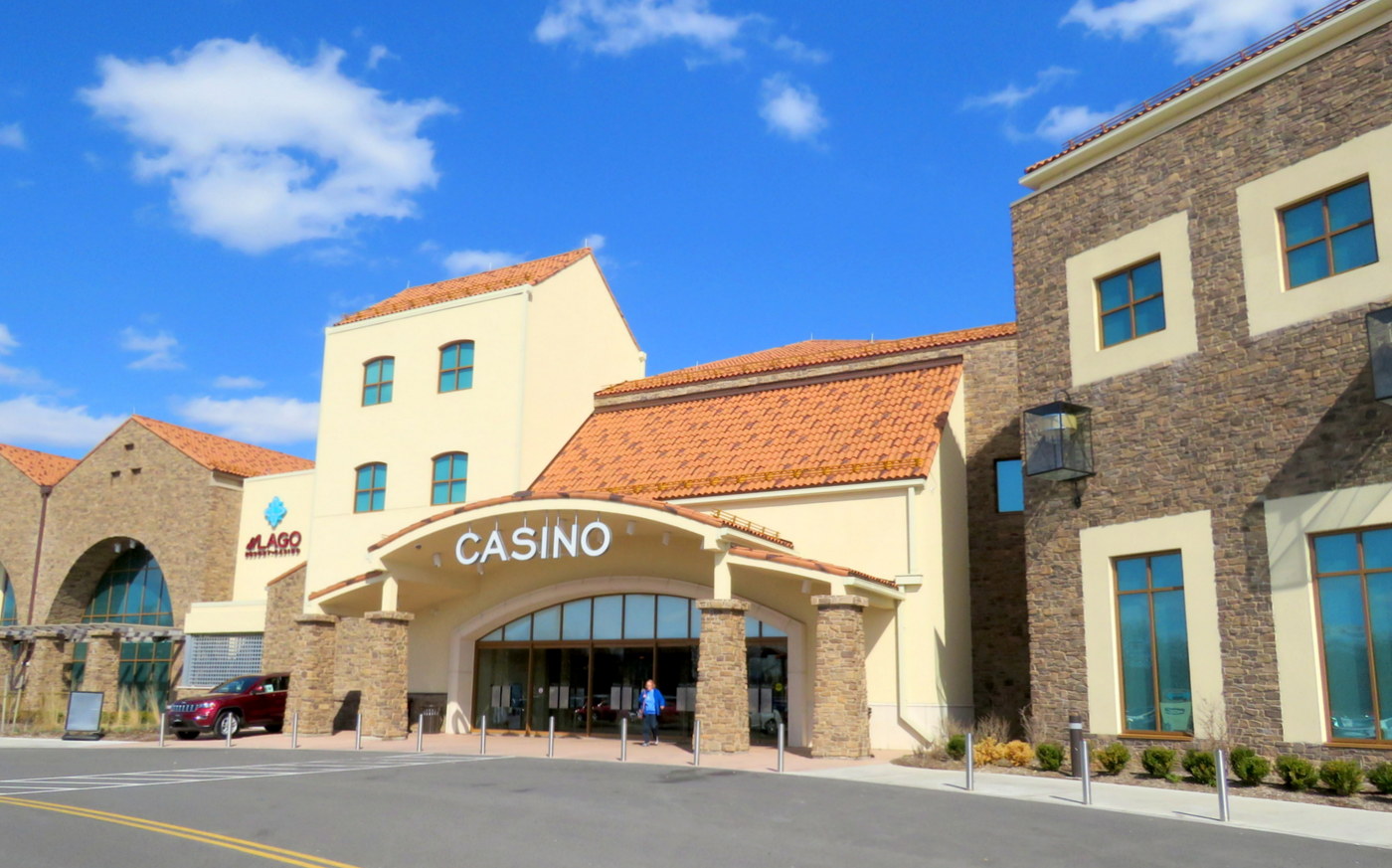
 There is no doubt that the closer proximity or easier availability of gambling options raises the incidence — and injury — of problem gambling. Nonetheless, in its application for the Rivers Casino gaming license, Rush Street Gaming asserted there would be no increased incidence of problem gambling in the Schenectady area with a new casino, because people here could already drive to Saratoga, Connecticut, etc. The Mayor and his cronies on City Council never questioned Rush Street’s position. While del Lago Casino is paying the salary for two problem gambling social workers on the Seneca County Health Department staff, Mayor McCarthy saw no problem and asked for nothing. So far, neither the City nor County has a problem gambling education program.



 update (May 14, 2018, 7 PM): The Times Union has updated its article significantly, changing its subheadline to “State legislature will likely overhaul gambling landscape”, and reporting that
 “But beyond the casinos, sports gambling probably won’t initially be allowed at other wagering-industry operations, such as the New York Racing Association tracks or the Saratoga Casino Hotel. It’s also unlikely to be available on mobile platforms, according to state Sen. John Bonacic. . . . It’s not clear when those draft regulations will be publicized, even though [Gaming Commission acting-Executive Director Ron Ochrym] said at the commission’s May meeting that they would be available ‘in the near term. The consensus of the gambling community in New York is that the commission is waiting for a green light from Gov. Andrew M. Cuomo to release the regulations.”



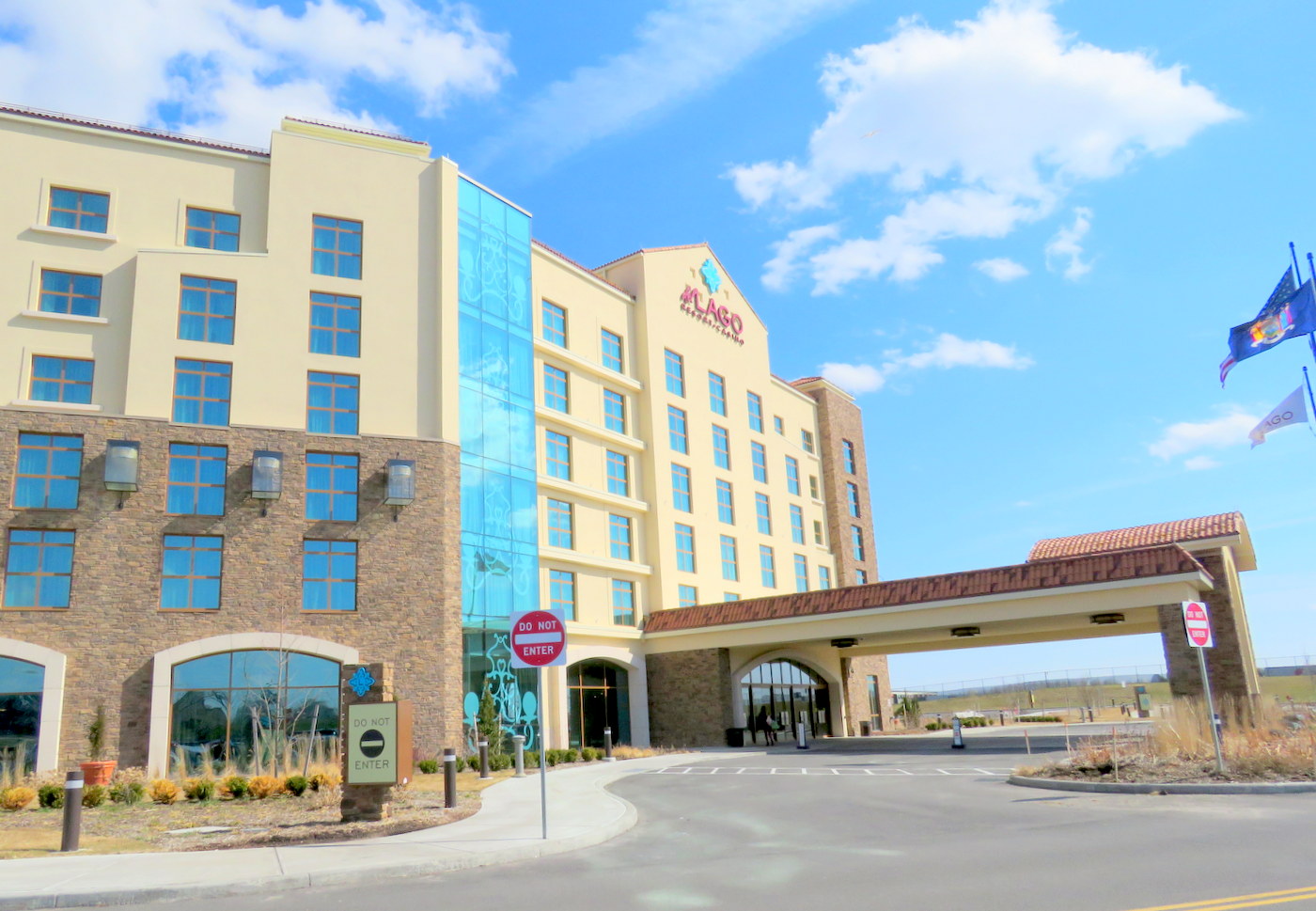
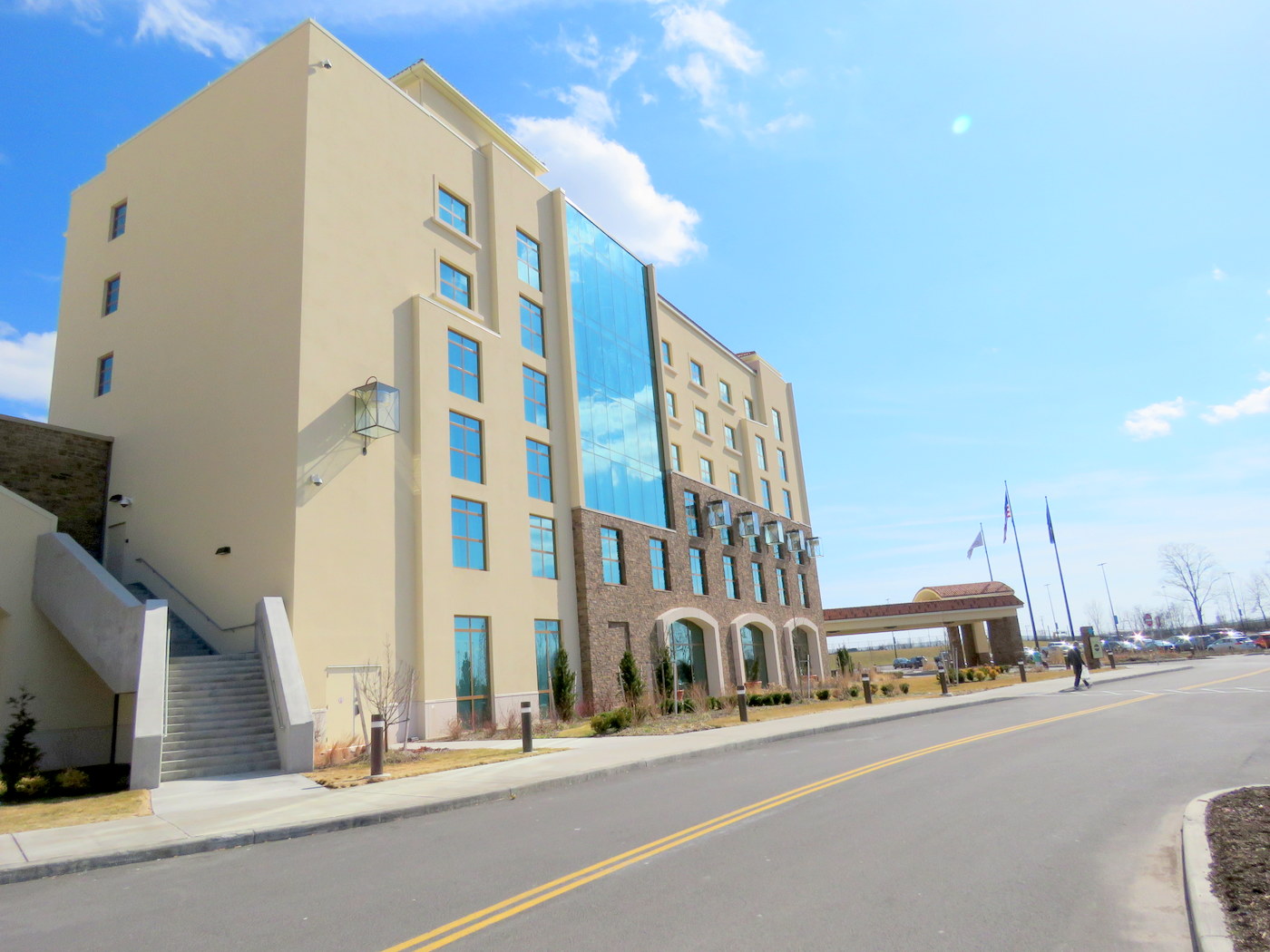

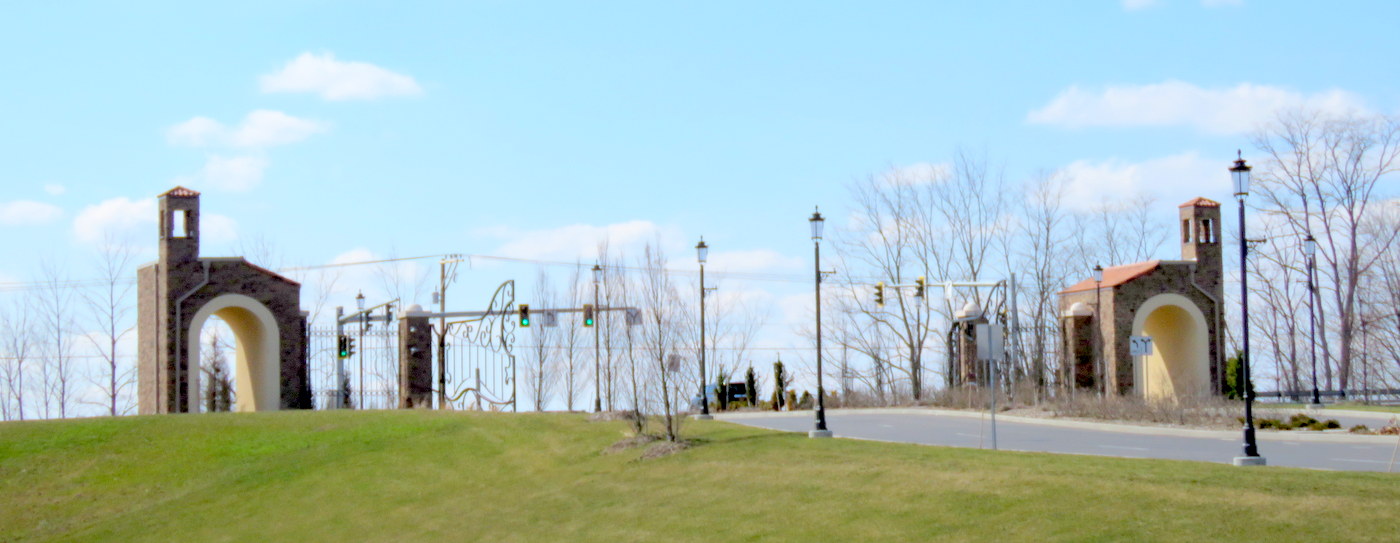







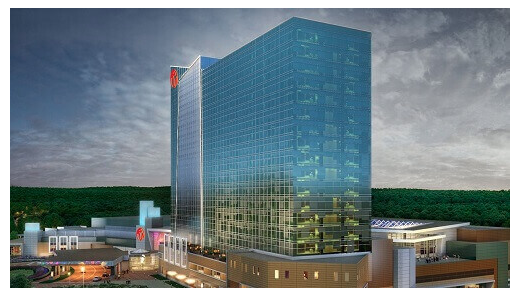
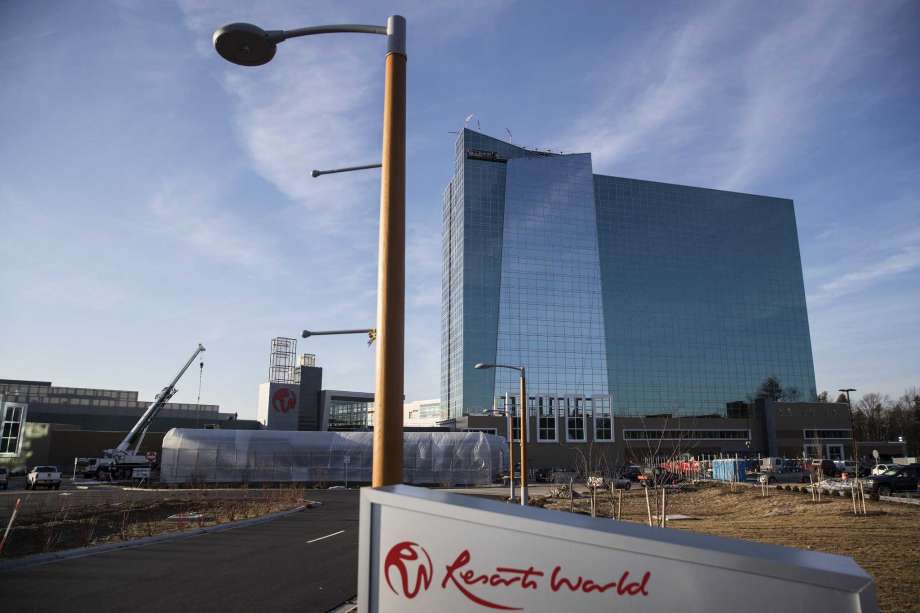
 update re Chinese New Year (Feb. 23, 2018): Resorts World Catskills







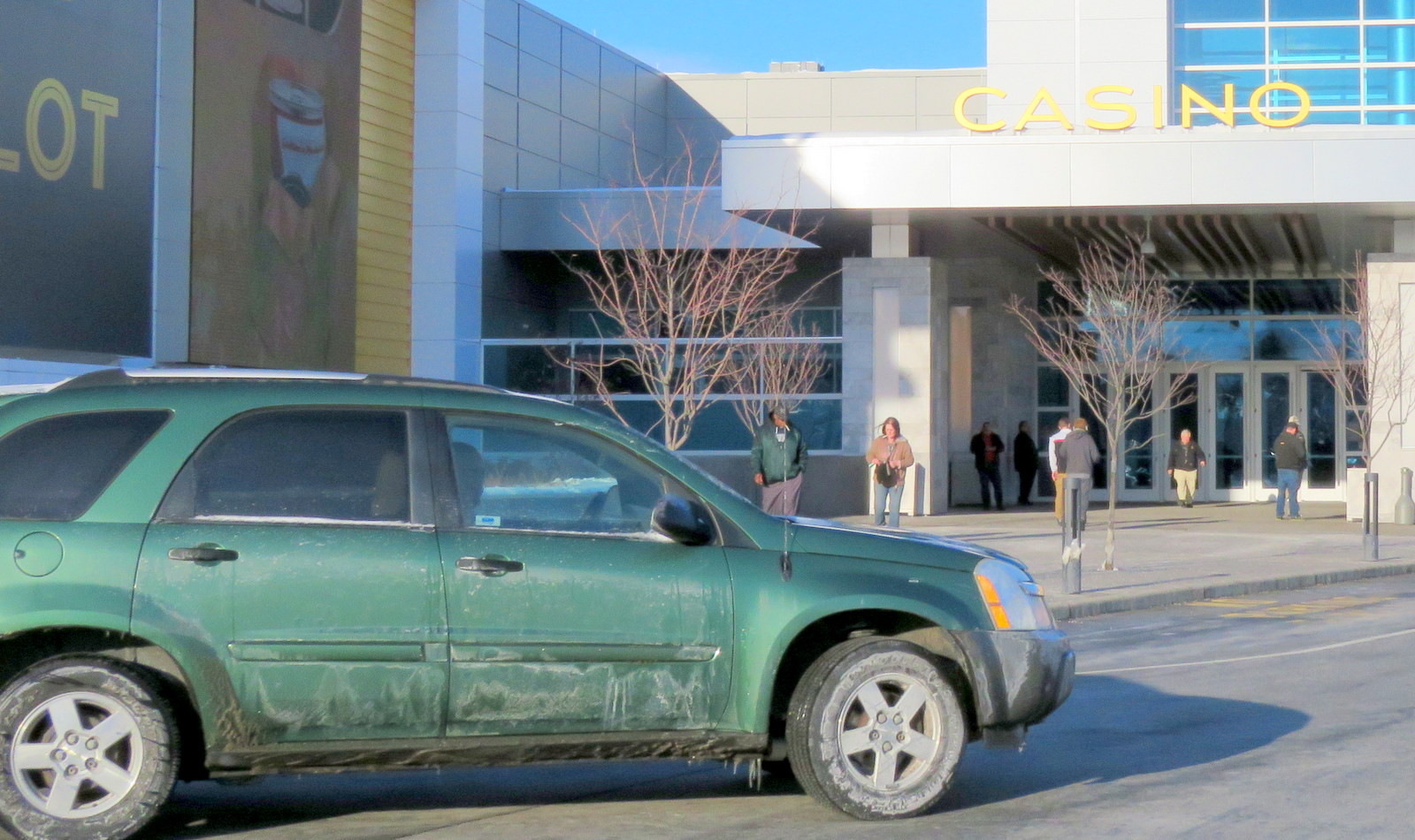
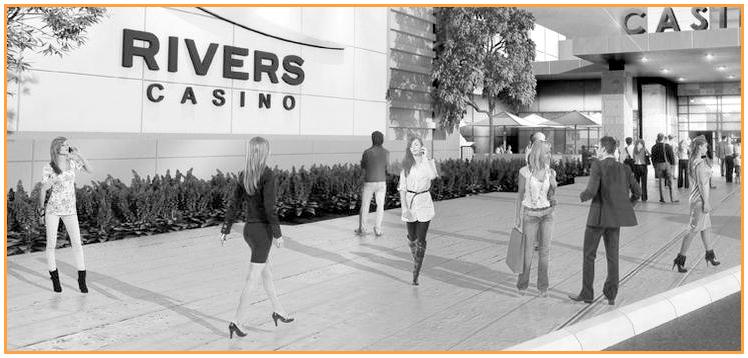


 Naturally, there are many questions about the 1.5 million number (beyond how it was compiled), including how many were day-trippers, who are more likely to spend their entire Schenectady visit within the Casino or perhaps Mohawk Harbor, rather than spending time and money elsewhere. And, how many are residents of Schenectady bringing no new spending to the City (and denying their disposable income and spending on necessities from other Schenectady businesses). The Gazette notes that neither the state nor county will quantify sales tax and hotel occupancy tax revenue generated by the Casino, “out of consideration for the business strategies of those collecting.” That suggests that the media needs to do some digging — beyond the self-congratulatory fog to be expected from the Chamber and Metroplex — to see how businesses outside of Mohawk Harbor are faring.





 Sorry to say, I am not at all convinced that the experience at Capital Counseling gives us a complete picture of the extent of Casino-created problem gambling issues in our community. And, I cannot be as optimistic as Sara Foss that








 Has acted
  Was a leader in the Stop the Schenectady Casino campaign, pointing out the many problems raised by locating a casino in an urban area and the need to fully consider likely problems and realistic benefits.
 snowmen at the gates


